
Ventilation
dMEV extract fans and trickle vents to keep airtight, well-insulated homes free of damp and condensation.
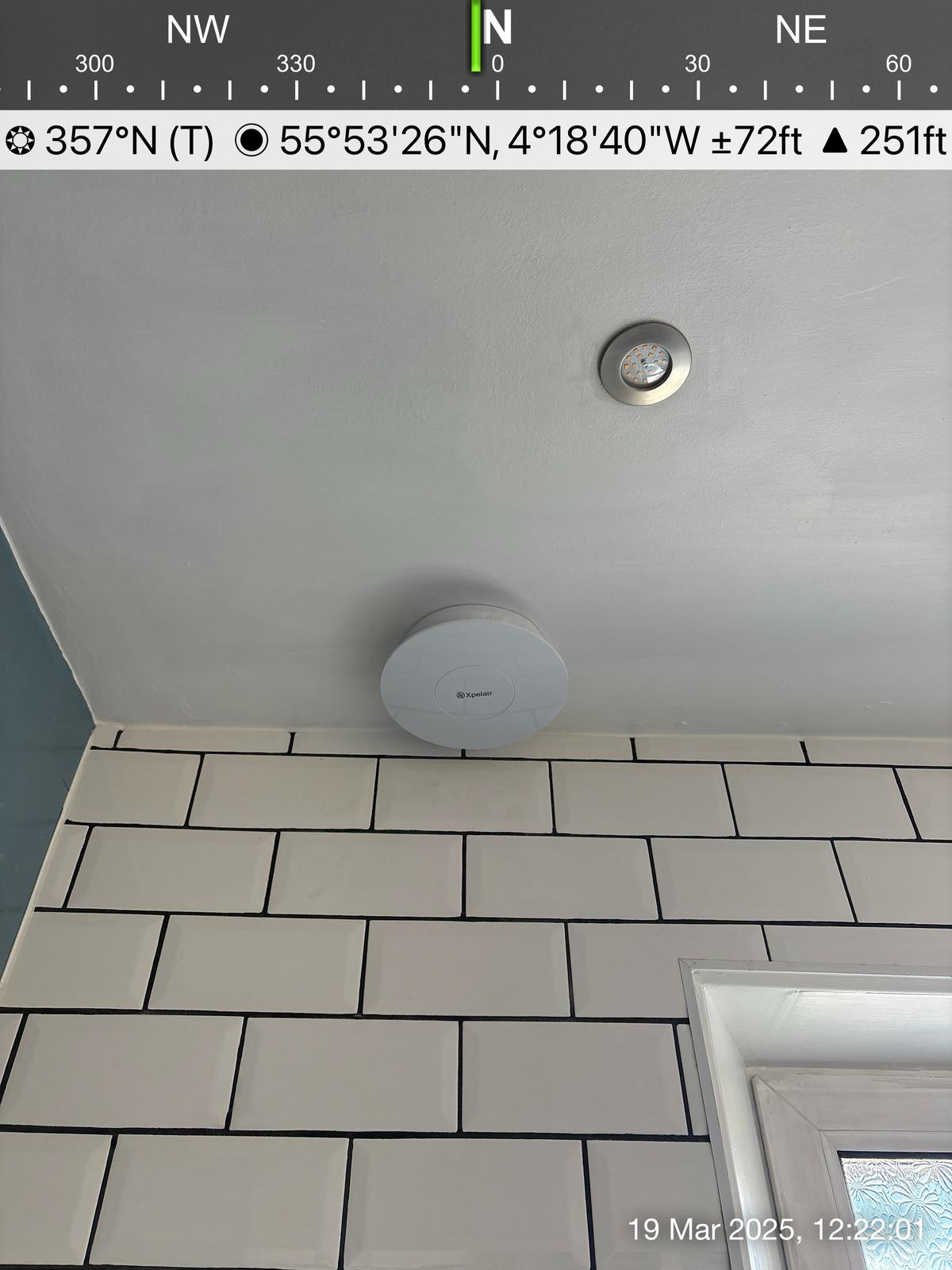
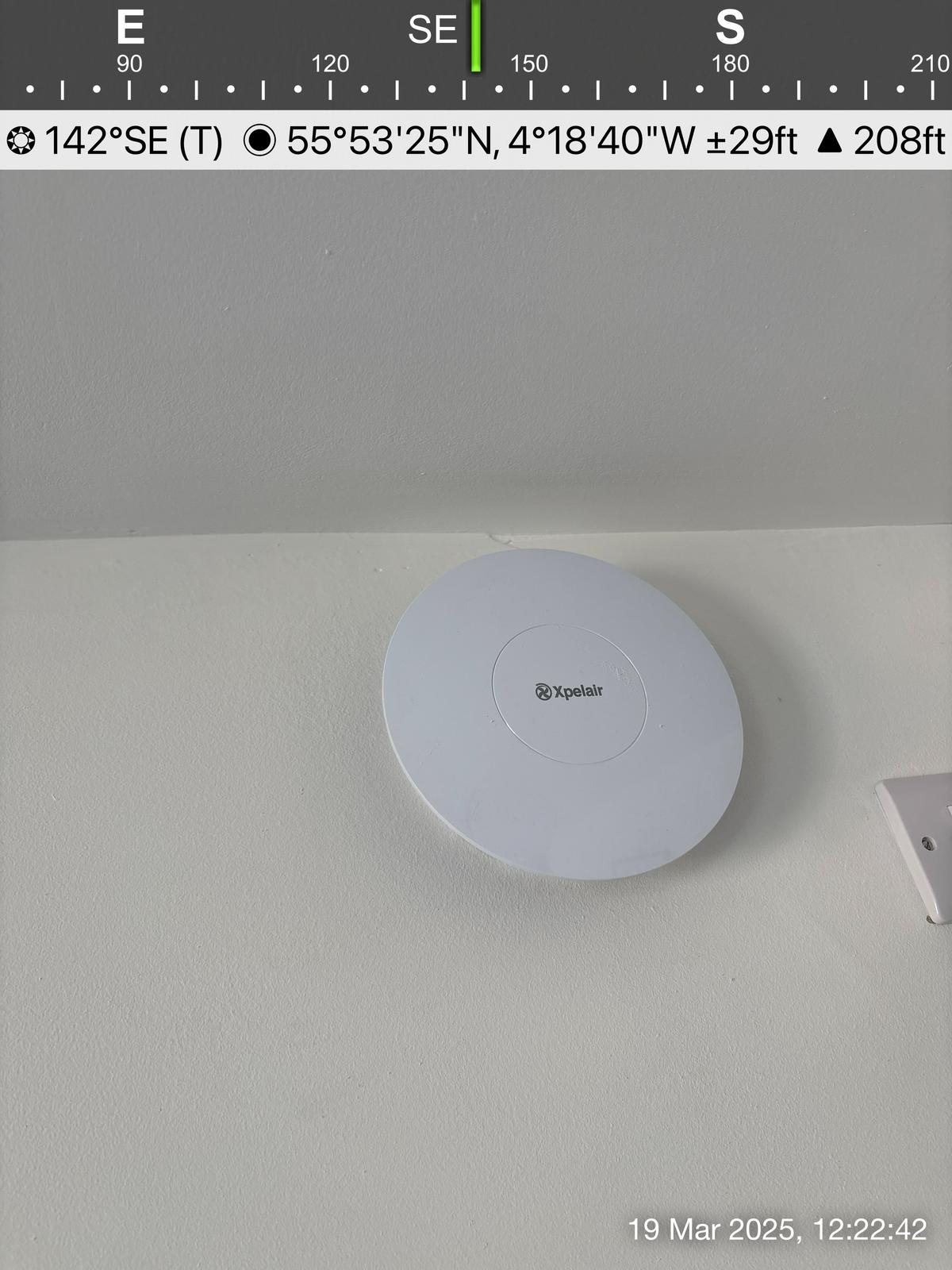
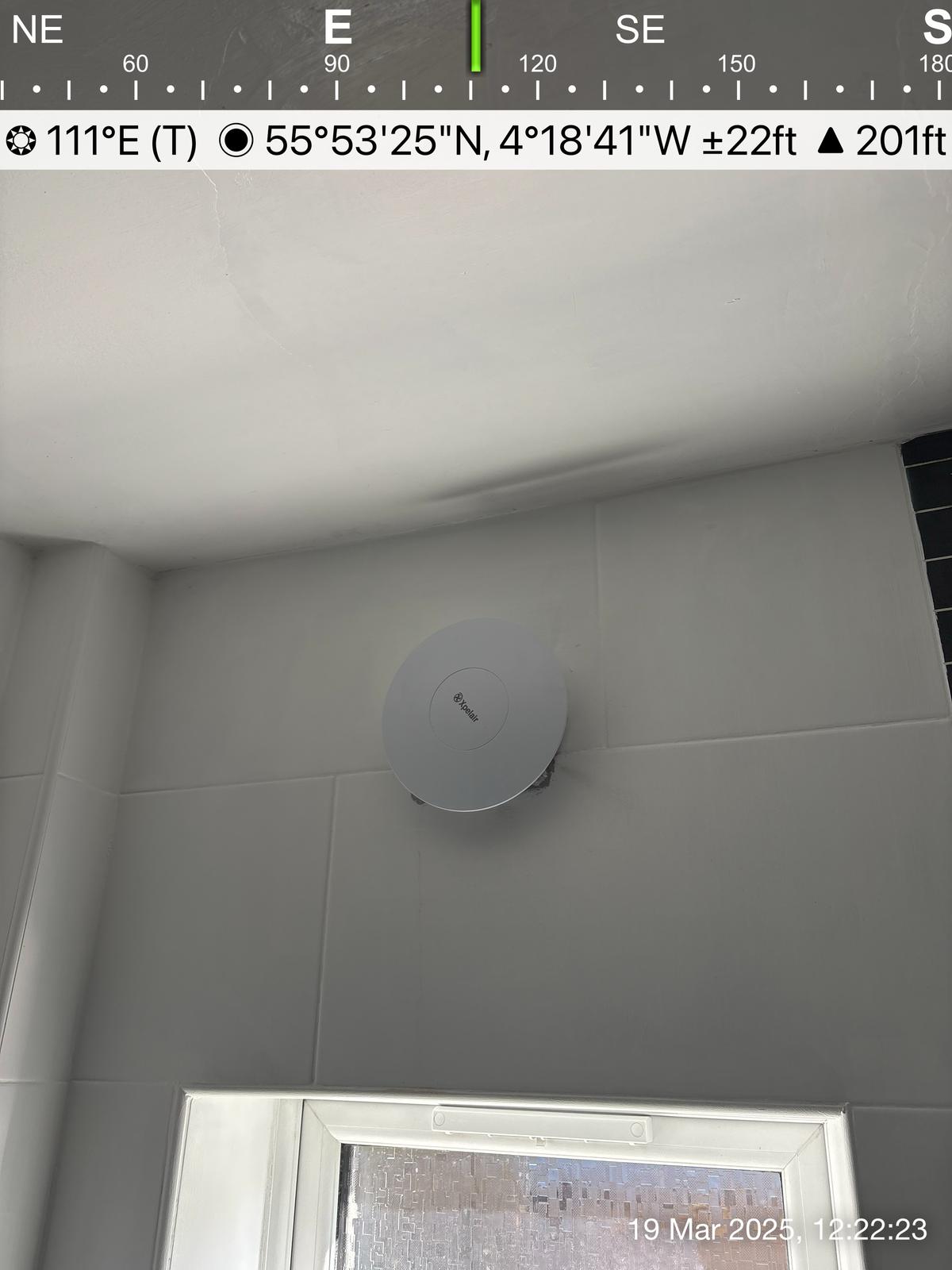
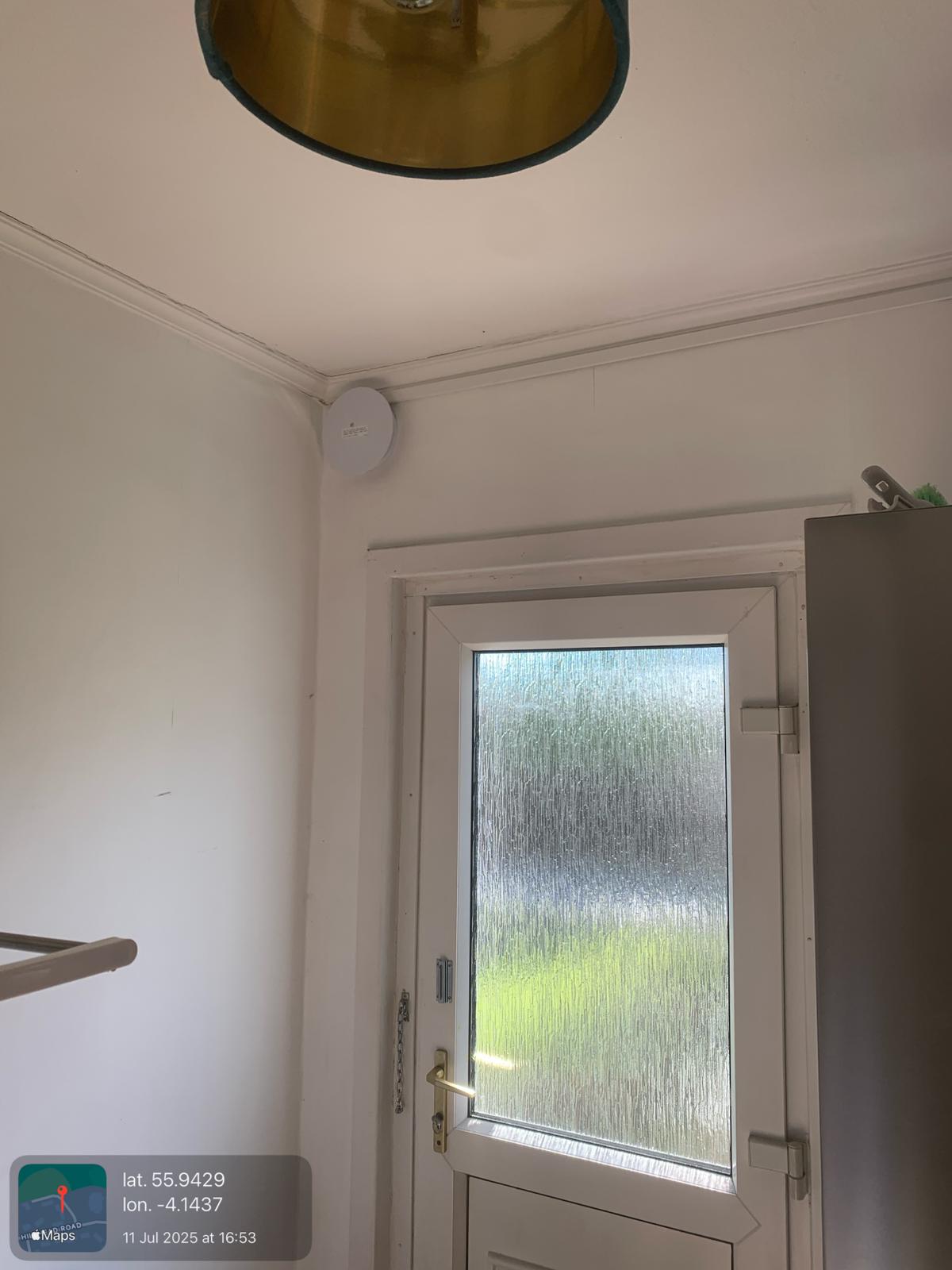
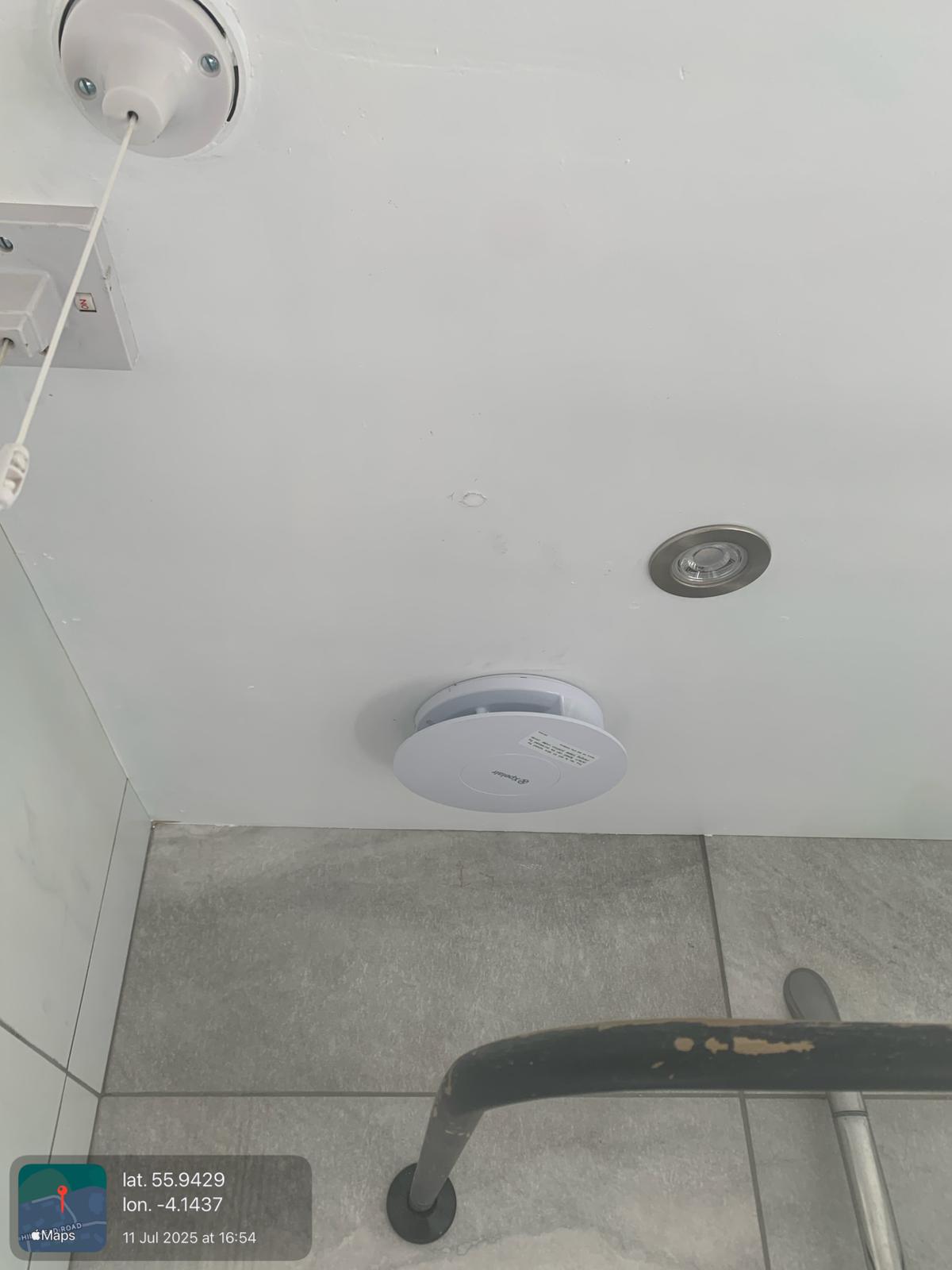
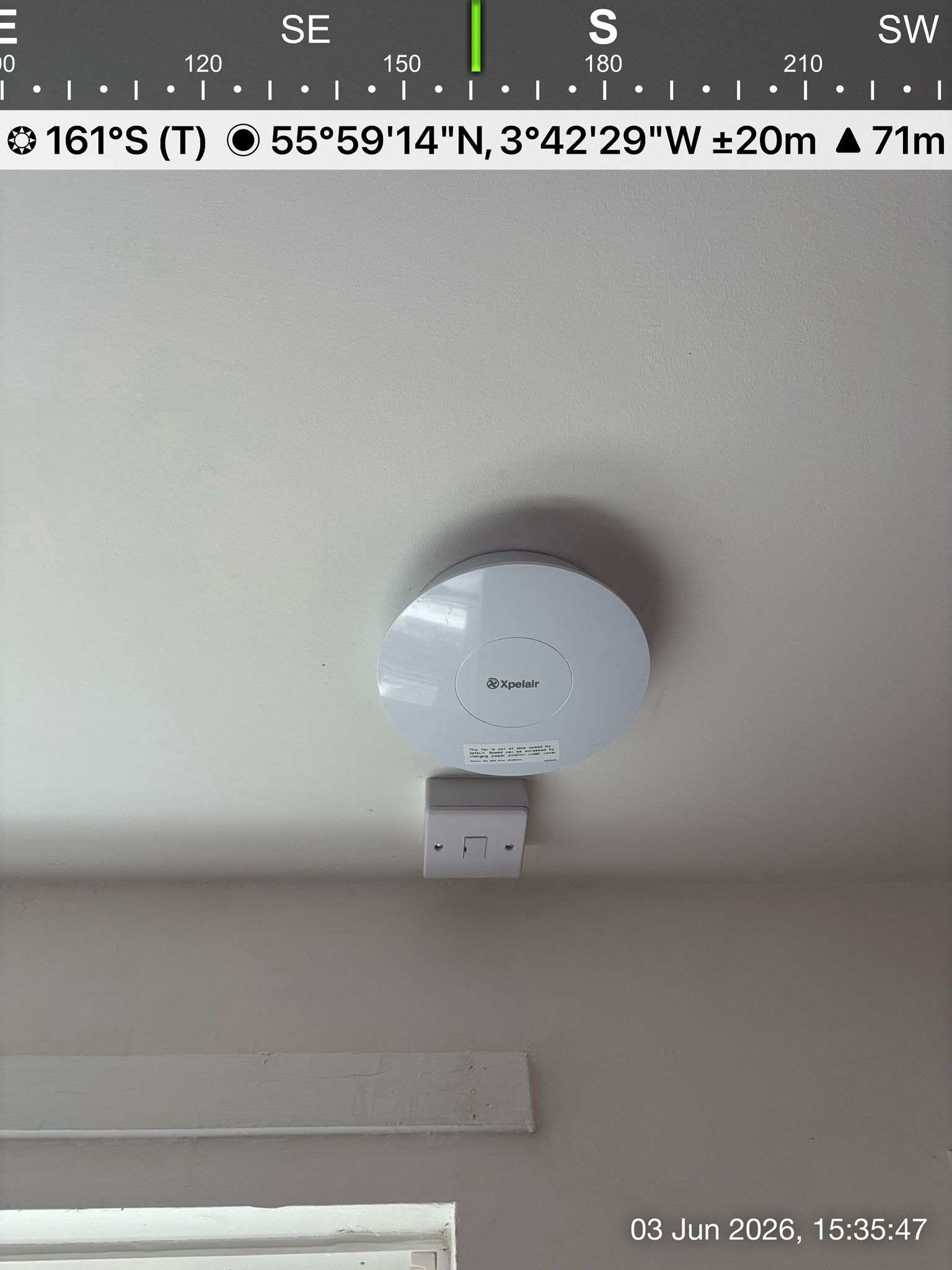
The more airtight a home becomes, the more important controlled ventilation gets. We install Decentralised Mechanical Extract Ventilation (dMEV) fans in bathrooms, kitchens, utility rooms and WCs — quiet, low-energy units that run continuously at a low background rate and automatically increase extraction when humidity or pollutants rise. We also retrofit trickle vents into uPVC, timber and aluminium window frames, with external weather canopies and internal controllable covers. Ventilation is designed alongside any insulation works to keep moist air out of the structure.
A dMEV fan is a continuously running, low-energy ventilation system designed to remove stale, moist air from areas such as bathrooms, kitchens, utility rooms and WCs. Unlike traditional intermittent extractor fans that only operate when switched on, dMEV units run continuously at a low background rate and boost automatically when humidity or pollutants rise.
Improved indoor air quality is one of the main benefits. dMEV fans continuously remove stale air, moisture, odours and airborne pollutants from the home, creating a fresher indoor environment, reducing the build-up of pollutants and allergens and improving overall air quality.
Excess moisture is one of the main causes of condensation, damp patches and mould growth. dMEV controls humidity levels, reduces condensation on windows and walls and helps prevent damp-related issues.
Modern dMEV fans use highly efficient motors and operate continuously at very low power levels, giving low running costs, minimal energy consumption and supporting energy-efficient homes. Most modern systems are also designed to operate quietly, making them suitable for occupied homes and far less intrusive than many traditional extractor fans.
Trickle vents are small ventilation openings fitted into the head of a window frame. They allow a controlled flow of fresh air into a property, helping to reduce condensation, improve air quality and maintain adequate ventilation without the need to open windows. They are particularly important in modern homes where insulation, draught-proofing and energy-efficiency measures have made buildings more airtight.
The benefits of trickle vents include less condensation on windows, reduced risk of damp patches, protection for walls, ceilings and furnishings, and reduced mould-related maintenance issues. When loft insulation, cavity wall insulation or draught-proofing is installed, homes become more airtight; trickle vents maintain ventilation levels, prevent moisture becoming trapped and support compliance with ventilation requirements.
Where we install trickle vents in existing window frames, we survey the window first — checking the frame material, identifying any steel reinforcement and confirming sufficient space. We mark the vent position in the top frame section, drill pilot holes, cut the ventilation slot with an appropriate router or slotting tool, fit the external weather canopy to prevent rain ingress and then fit the internal controllable cover. Finally we test airflow, confirm the vent is unobstructed and check operation and weather sealing.
Benefits
- Continuous, low-energy dMEV extract fans
- Automatic humidity boost to clear moisture spikes
- Trickle vents retrofitted to uPVC, timber and aluminium window frames
- External weather canopies and internal controllable covers
- Designed alongside your insulation works
- Reduces condensation, damp and mould risk
- Wired up by our qualified electrician with minor-works certificate
Ventilation — gallery
Loft Insulation
One of the most effective ways to improve a home's energy efficiency — lower bills, better comfort and decades of payback.
Internal Wall Insulation
Bespoke vapour-closed and heritage vapour-open systems for solid-wall Welsh homes — without changing the outside of the building.
Cavity Wall Insulation
Fill the gap between your walls with non-absorbent EPS bead — a one-day job with decades of payback.