
Internal Wall Insulation
Bespoke vapour-closed and heritage vapour-open systems for solid-wall Welsh homes — without changing the outside of the building.
Solid-wall properties dominate Wales' older housing stock and need careful, building-specific design. We offer two distinct internal wall insulation systems — a vapour-closed system for low-absorption brick and rendered homes, and a vapour-open heritage system for high-absorption sandstone and pre-1919 properties. Every project starts with an in-depth survey and a bespoke insulation design tailored to your home.
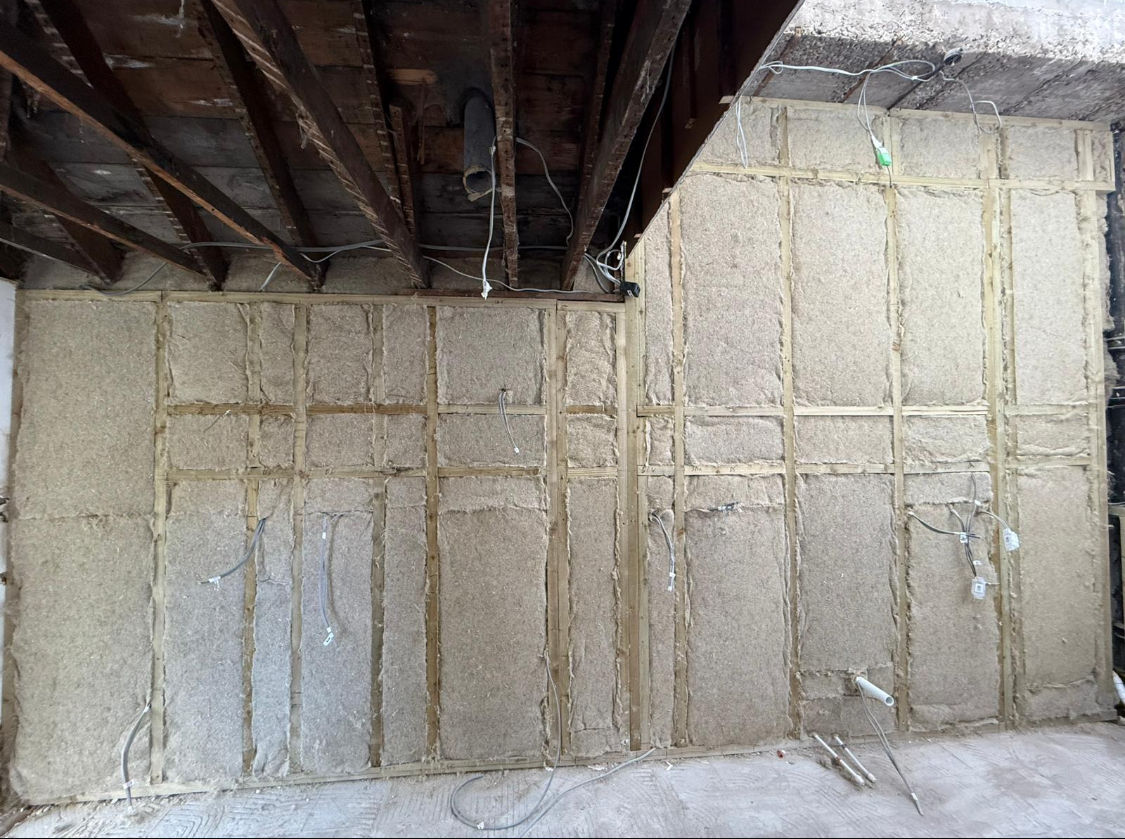
For low-absorption brick or rendered homes we install a vapour-closed system — typically dual-layer 50 mm IndiTherm Hemp on a 45 mm timber frame with Pro Clima Intello Plus intelligent membranes and Contega Solido / Tescon Vana airtightness tapes, finished in plasterboard and multifinish skim.
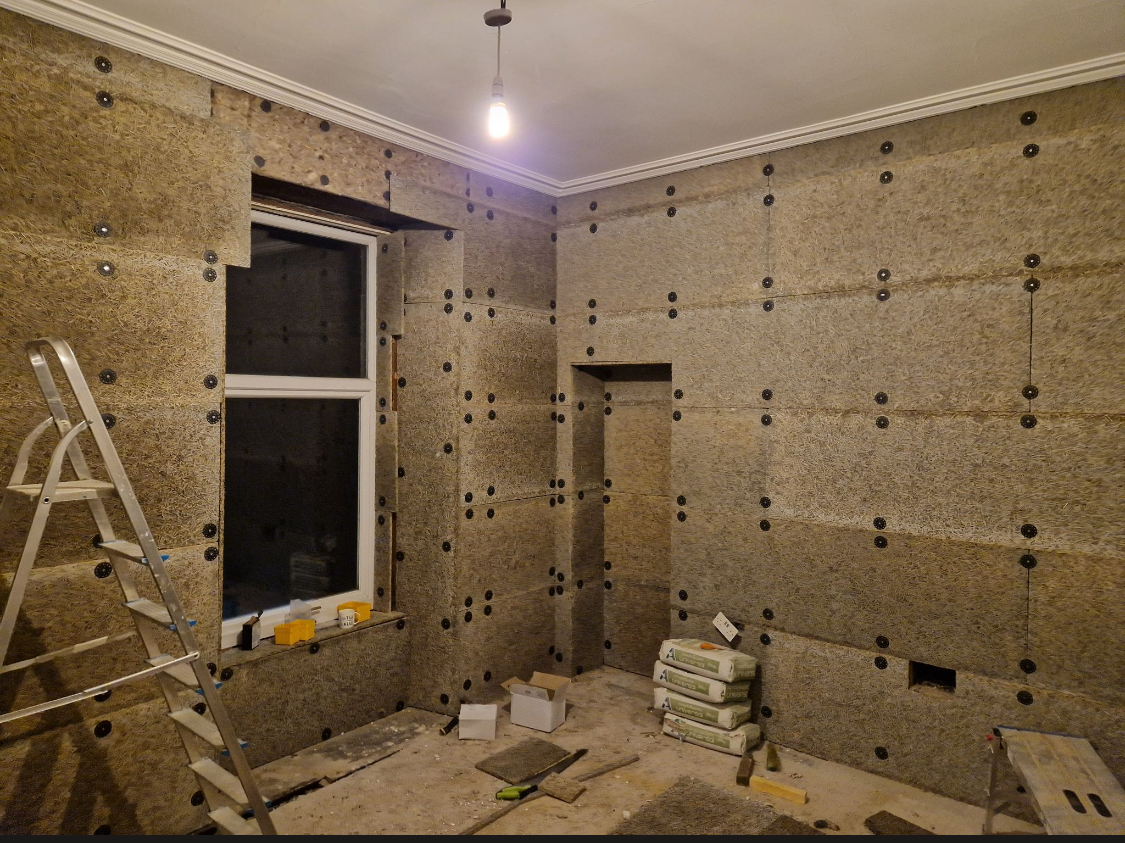
For high-absorption heritage sandstone properties we design a vapour-open system around lime parge coats, IndiTherm Hemp compressed into a treated timber frame, 15 mm wood-wool boards and two coats of lime plaster on mesh — keeping moisture moving safely through the wall structure. Every project starts with a bespoke insulation design.
Benefits
- Reduces heat loss through solid walls by up to 33%
- Save up to £620 per year on energy bills
- No changes to external appearance
- Ideal for listed buildings or conservation areas
- Improves sound insulation from external noise
- Makes walls warmer to the touch
- Reduces surface condensation and mould risk
- Can be installed room by room
Vapour Closed System
If you have a low-absorption solid brick home or a property with external render, you'll likely be suitable for a vapour-closed internal wall insulation system. There is limited moisture entering the wall structure externally, and any moisture that gets into the structure internally will struggle to dry out externally.
Due to the low-permeability exterior, we generally recommend an insulation system that prevents warm moist air from inside your home entering the wall structure, with airtightness and vapour barriers utilised. Due to the complicated nature of IWI, we carry out an in-depth survey and bespoke insulation design to suit your home's needs.
Typical cost: £9,000–£20,000
Process
- Step 01
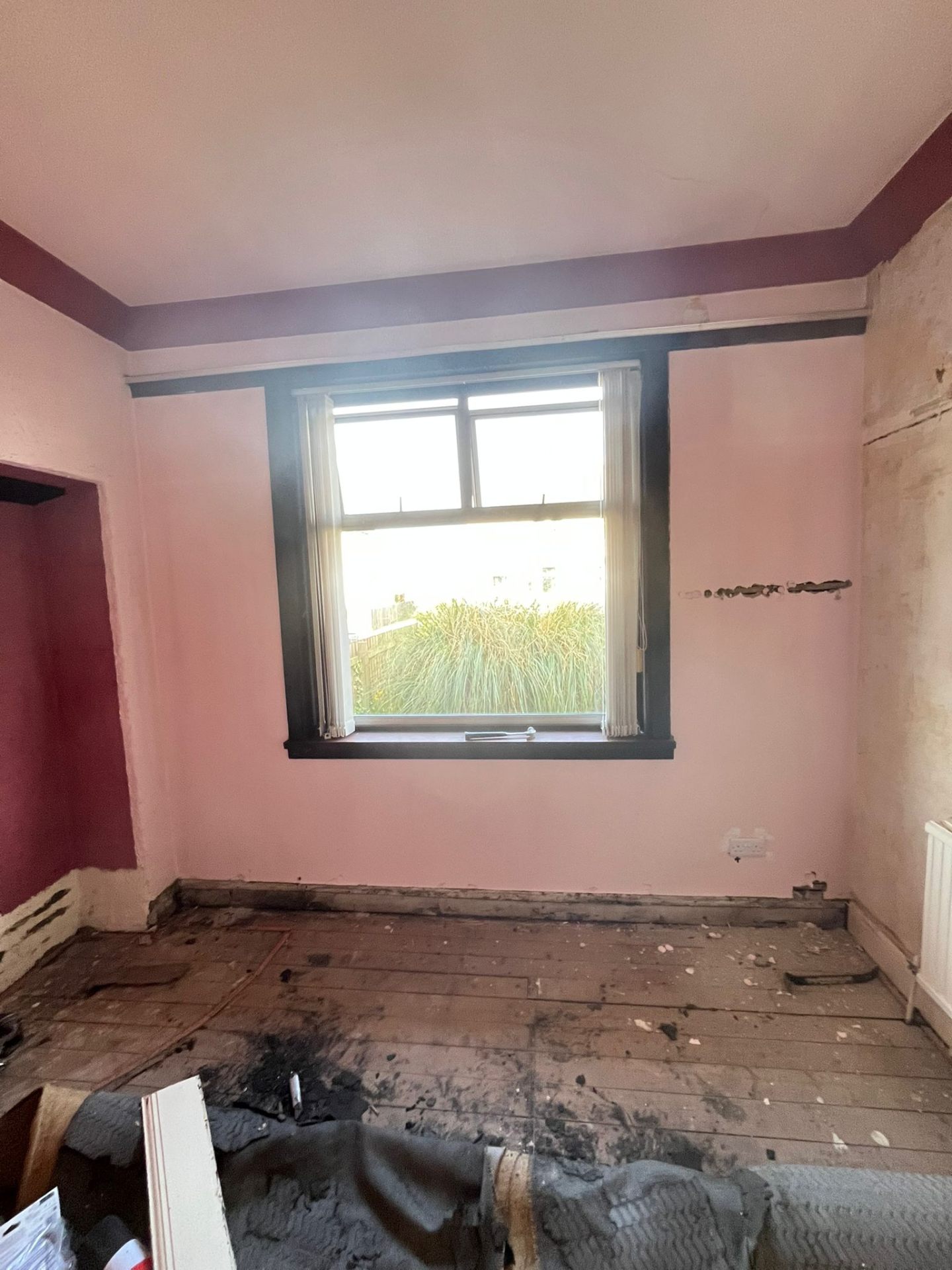
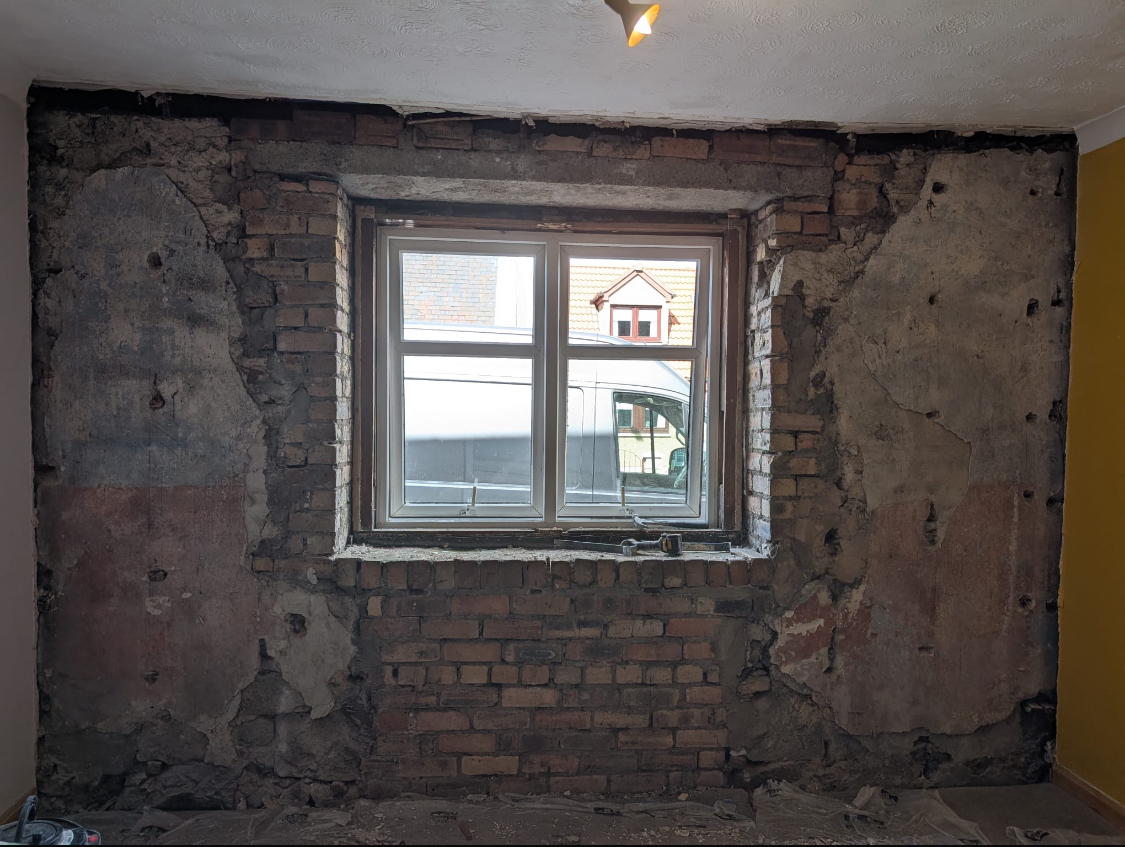
The first step of any internal wall insulation project is to remove any existing plasterboard, lath and plaster or wallpaper so the wall itself is exposed as the base for the system.
- Step 02
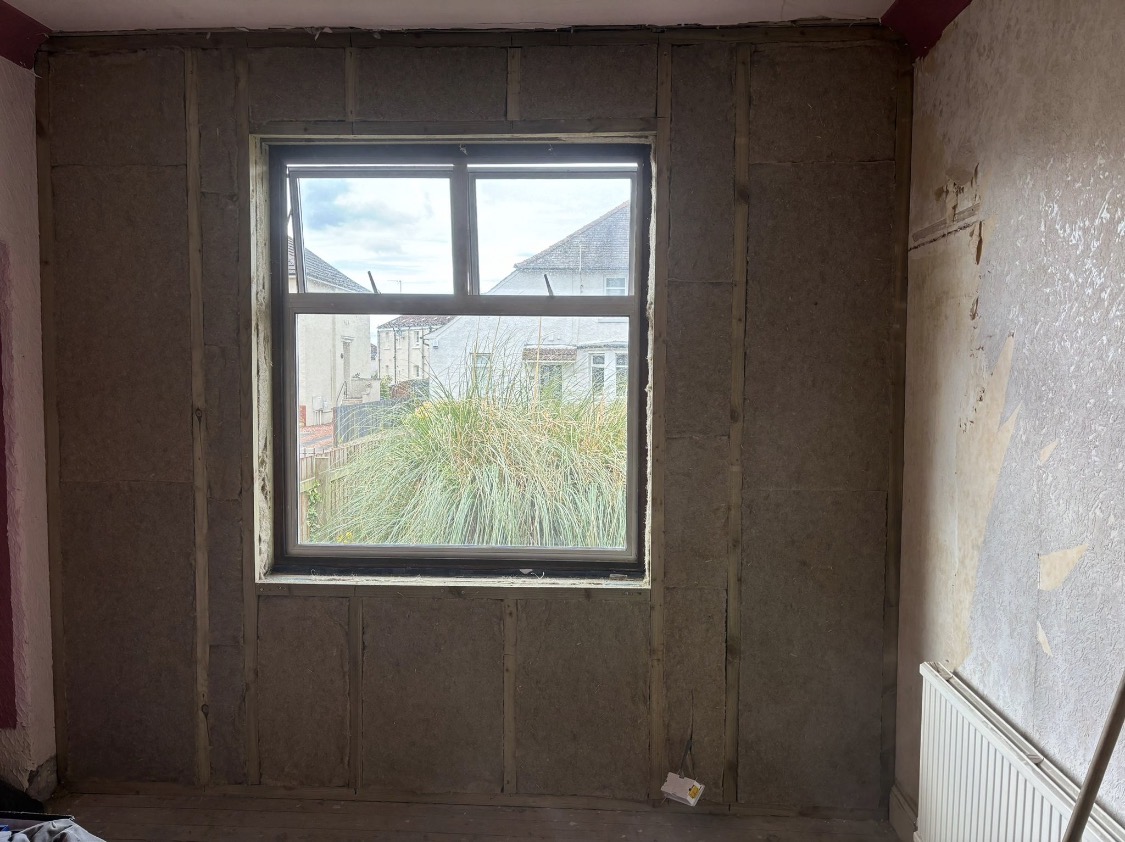
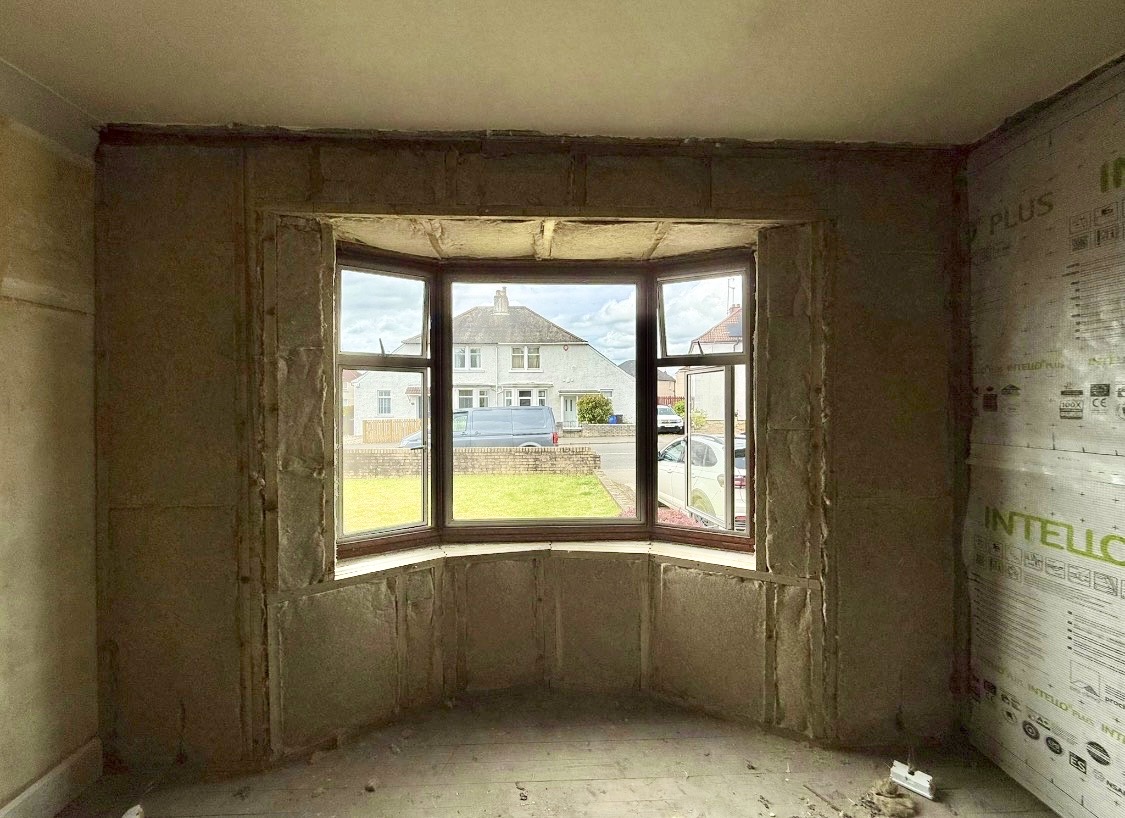
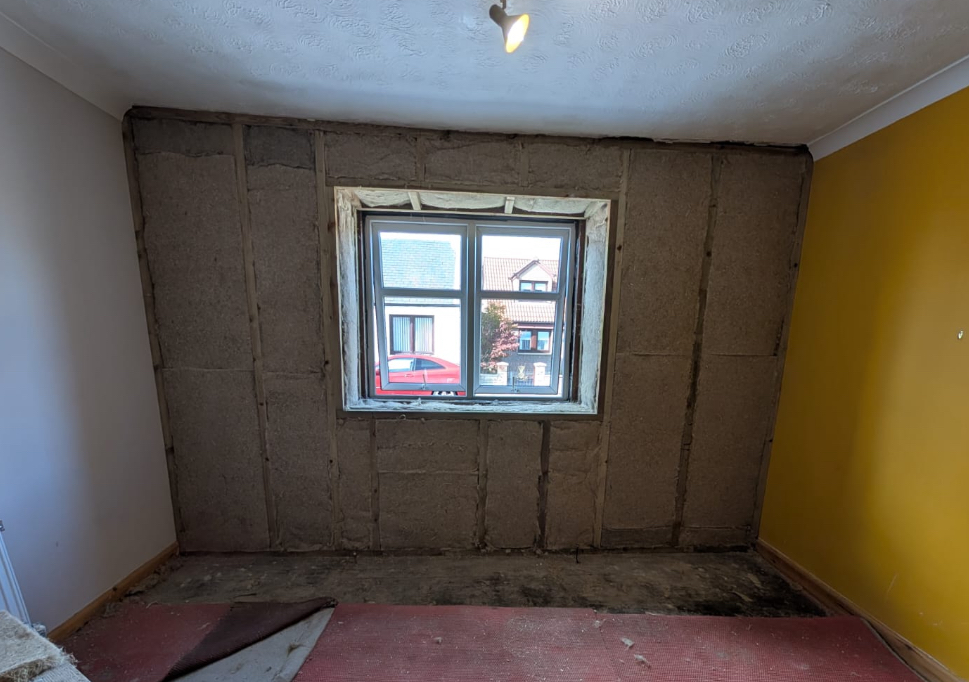
We generally recommend a dual layer of 50 mm IndiTherm Hemp Insulation installed on a 45 mm timber frame as the main insulant per our standard system design.
- Step 03
Alternative insulants can be installed such as PIR insulation, Aerogel, Sisalwool, Woodfibre or Rockwool to achieve any project's specific thermal performance targets and space constraints.
- Step 04
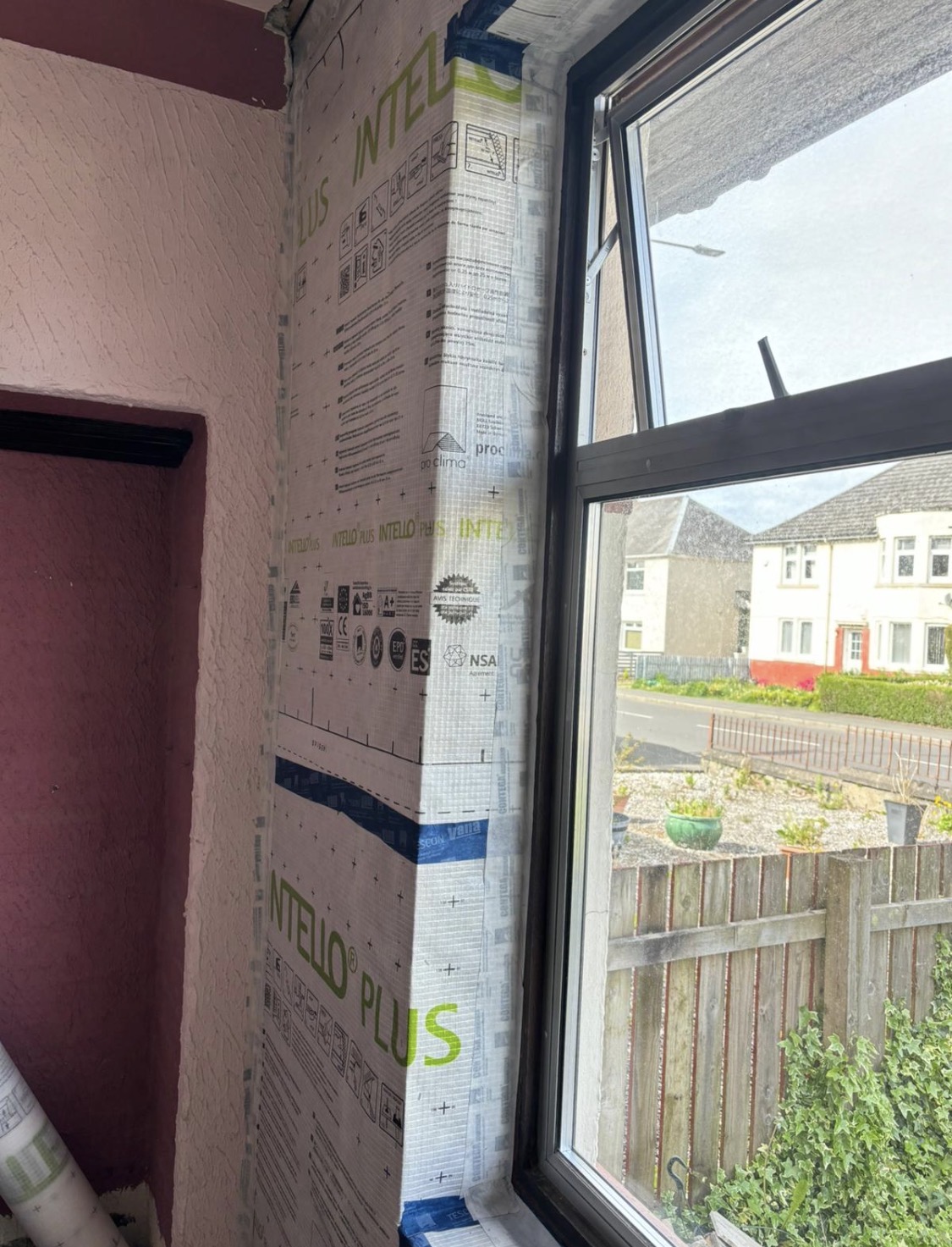
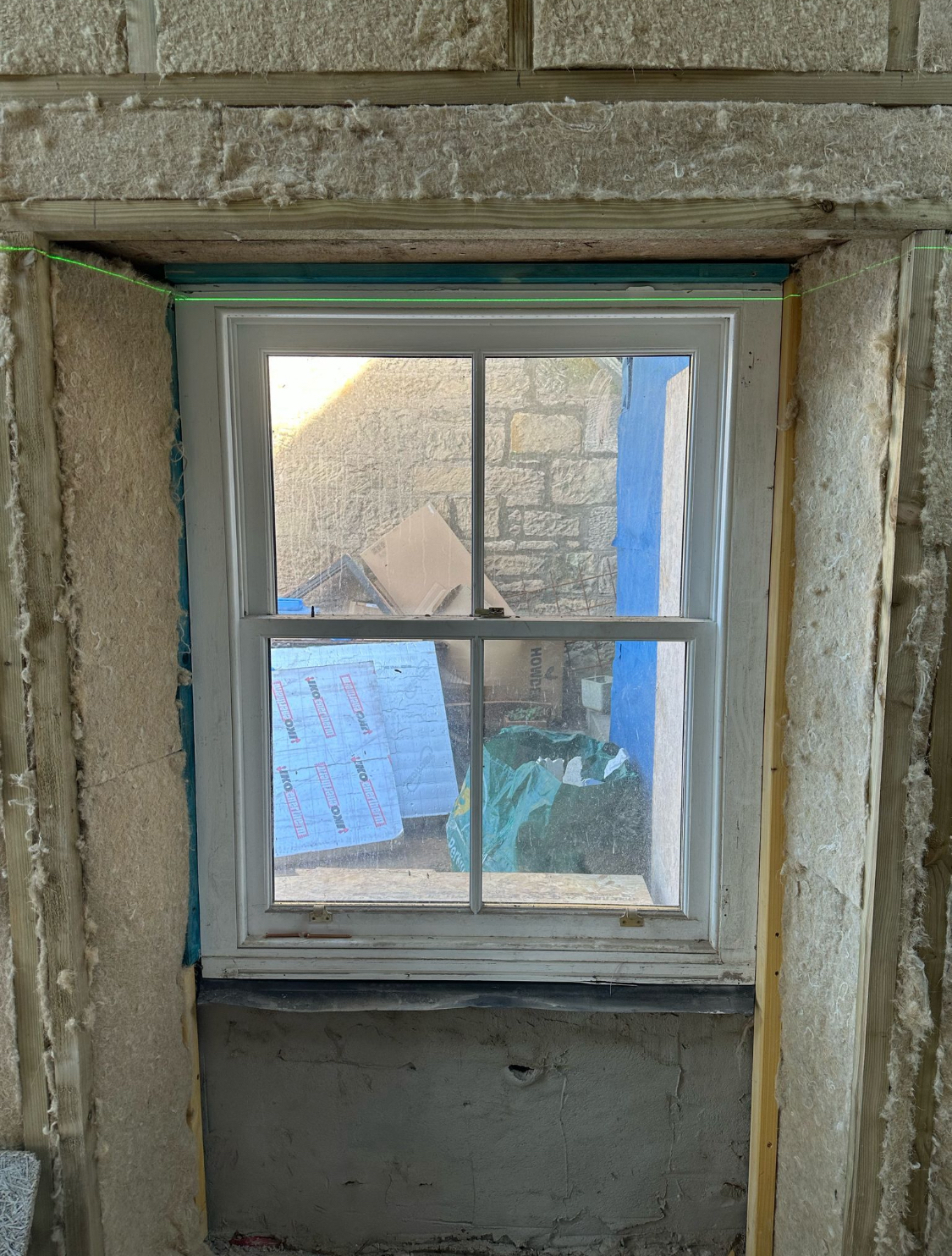
We insulate window reveals with the full system if there is adequate space, or thinner solutions using EPS/XPS boards or Aerogel if space is limited.
- Step 05
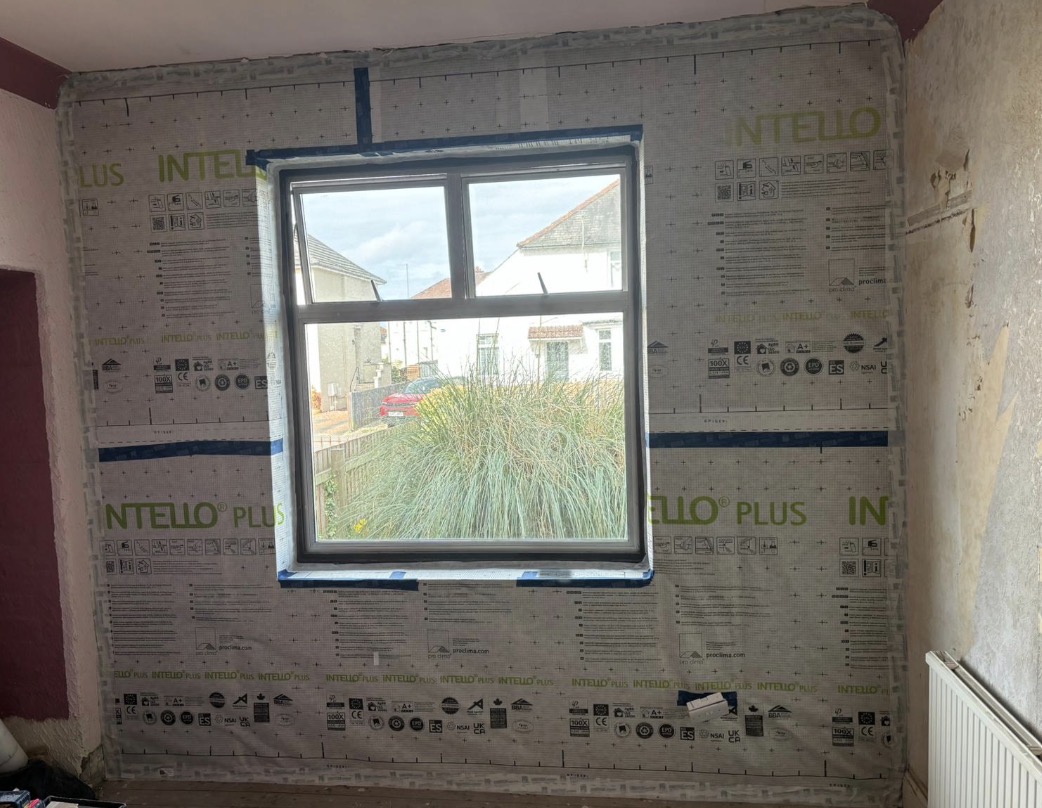
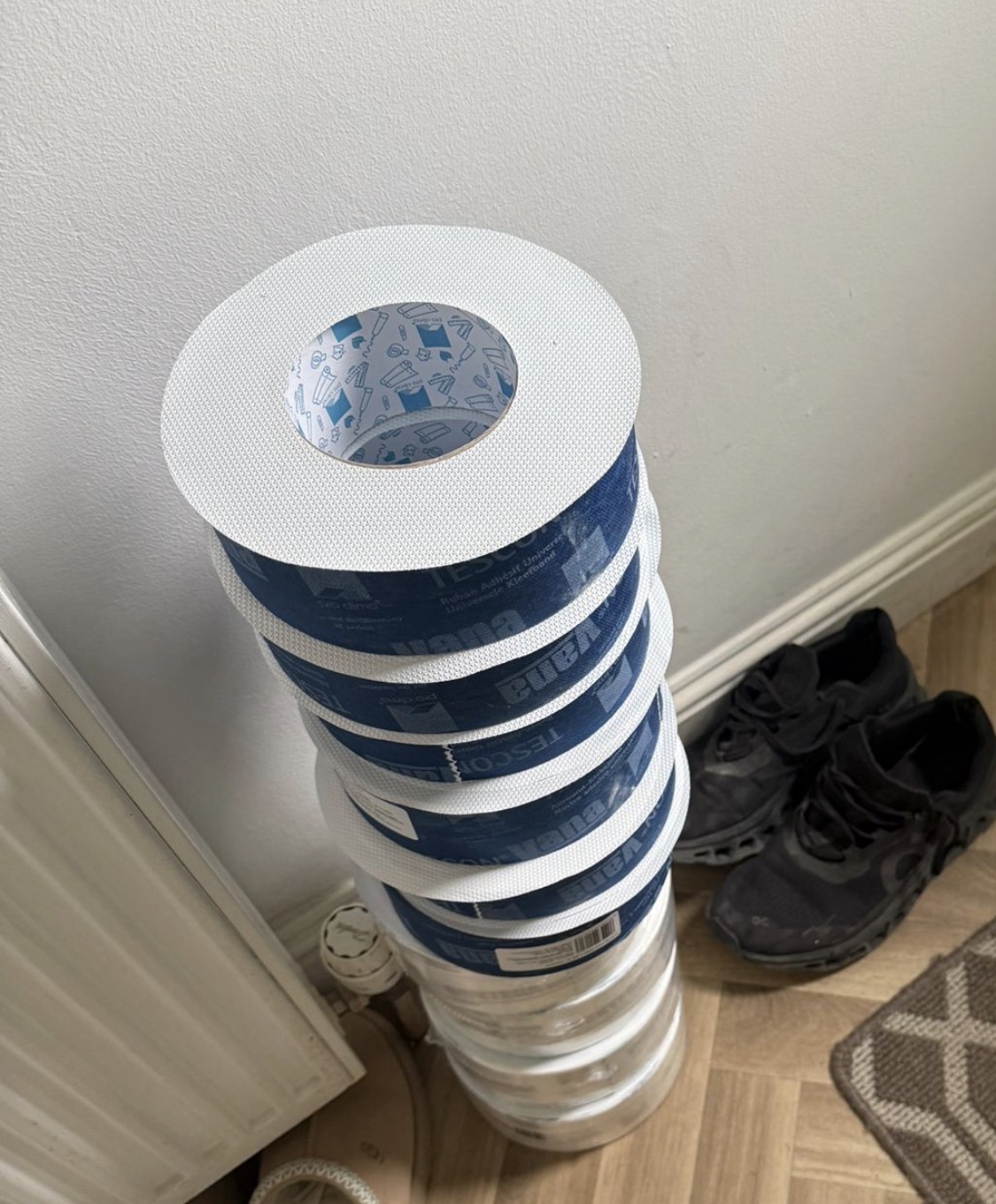
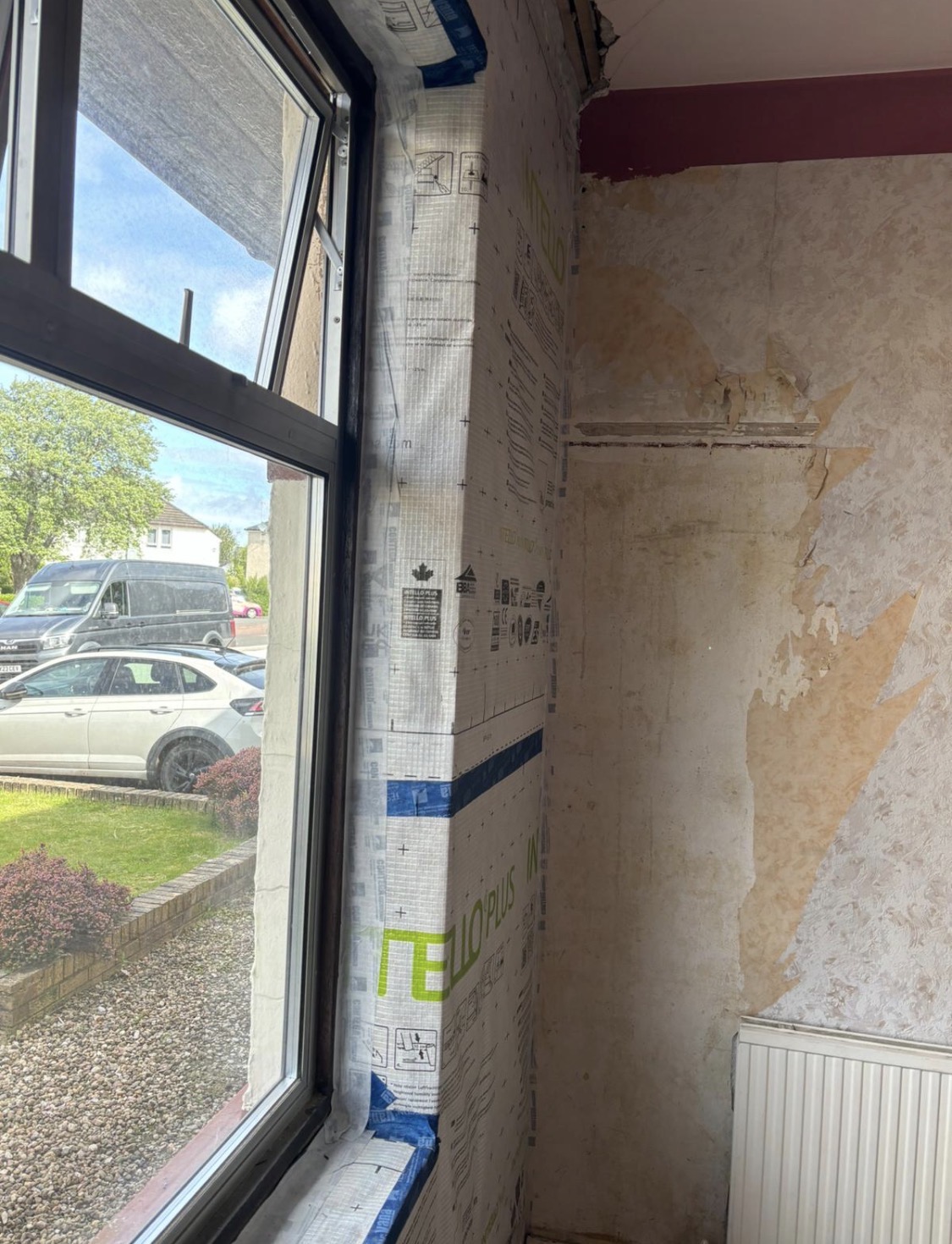
Pro Clima Intello Plus intelligent membranes are installed, with Tescon Vana used to seal the joins and Contega Solido airtightness tape used at the perimeter.
- Step 06
This membrane prevents moisture from entering from inside your home, but also allows any moisture that does find its way into the structure to pass back through internally — drastically reducing any risk of interstitial condensation build-up inside the wall structure.
- Step 07
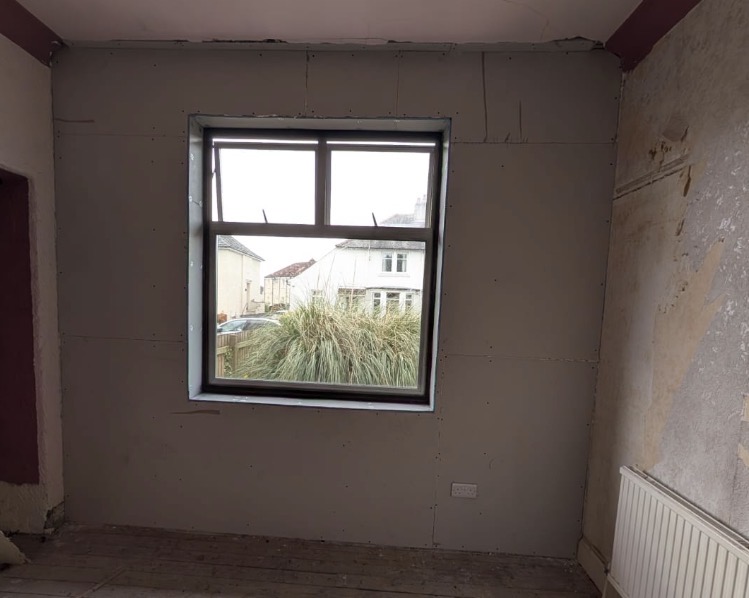
12.5 mm plasterboard is installed across the walls with a multi-finish plaster skim.
- Step 08
Skirting boards and window sills are replaced and the wall is left ready to paint.
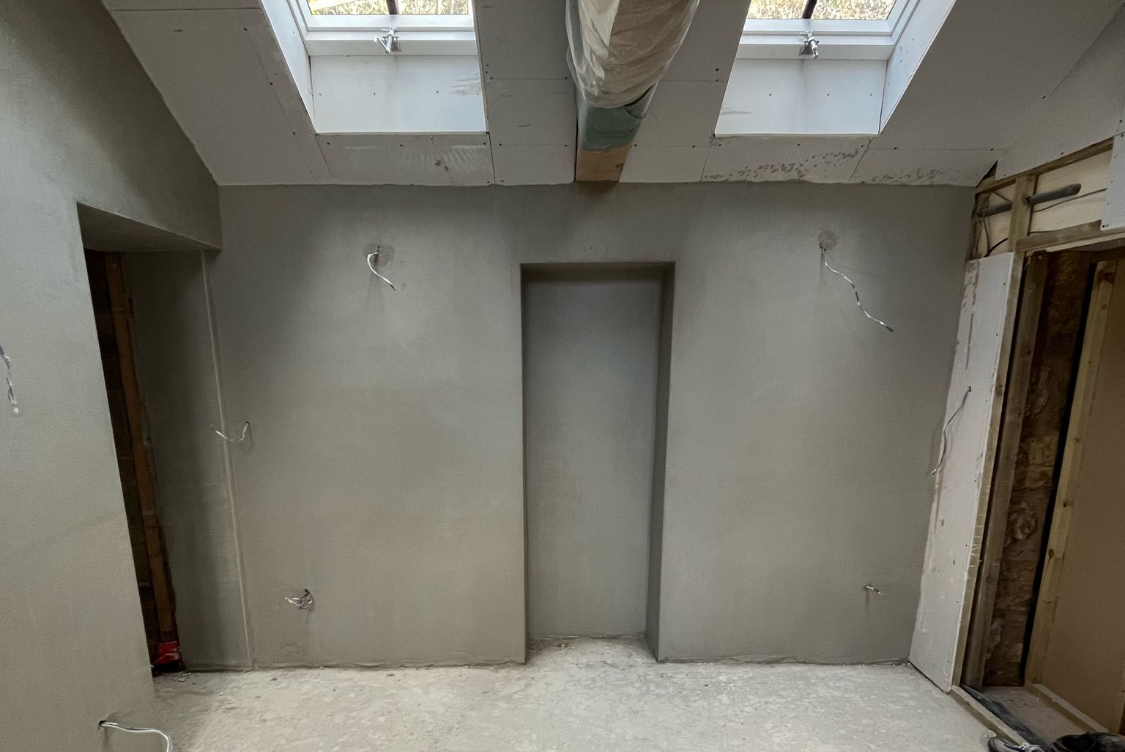
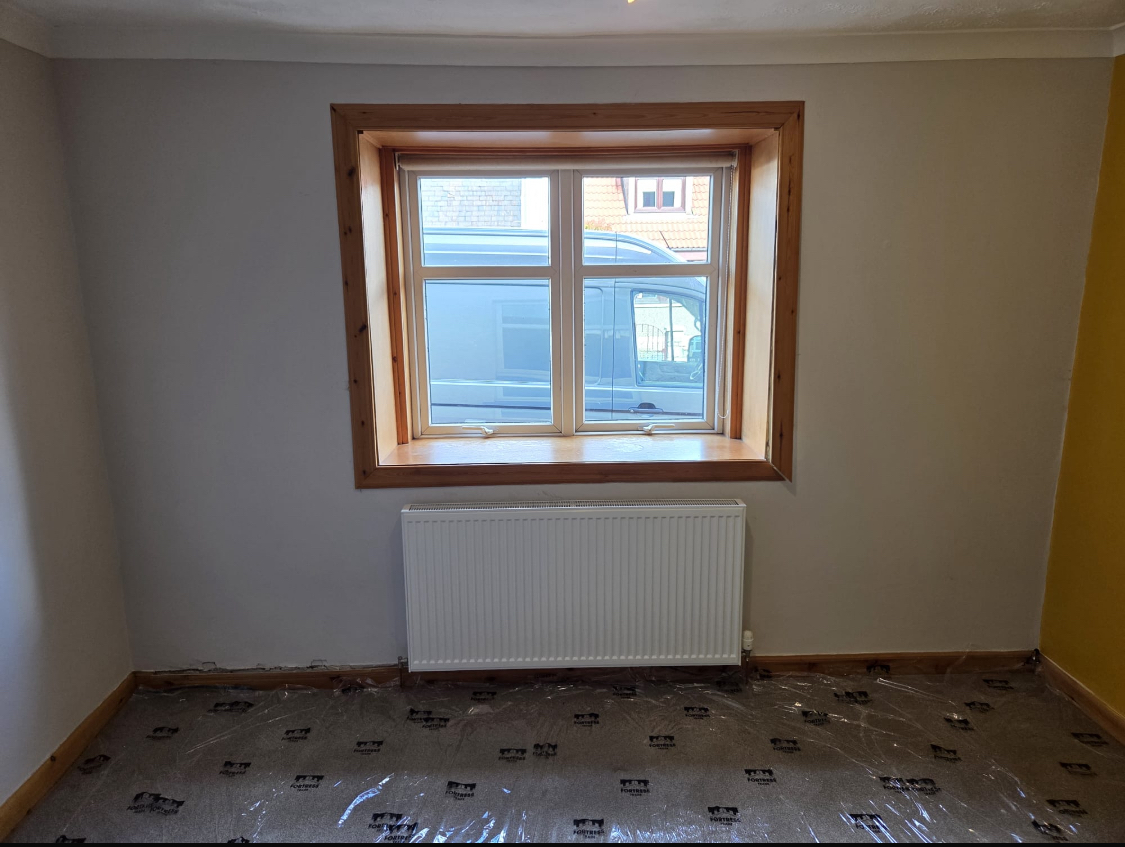
Internal Wall Insulation Vapour Closed Examples
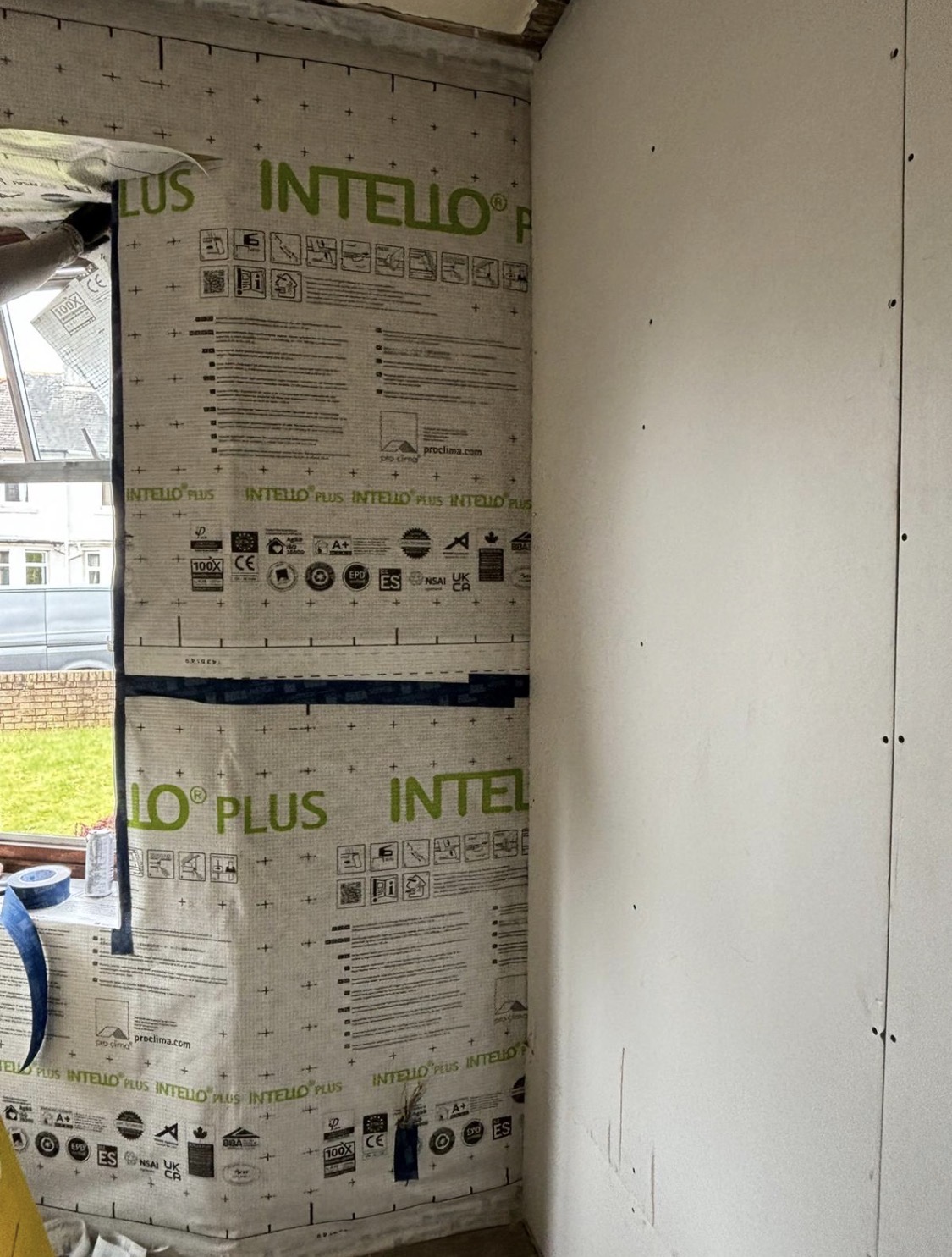
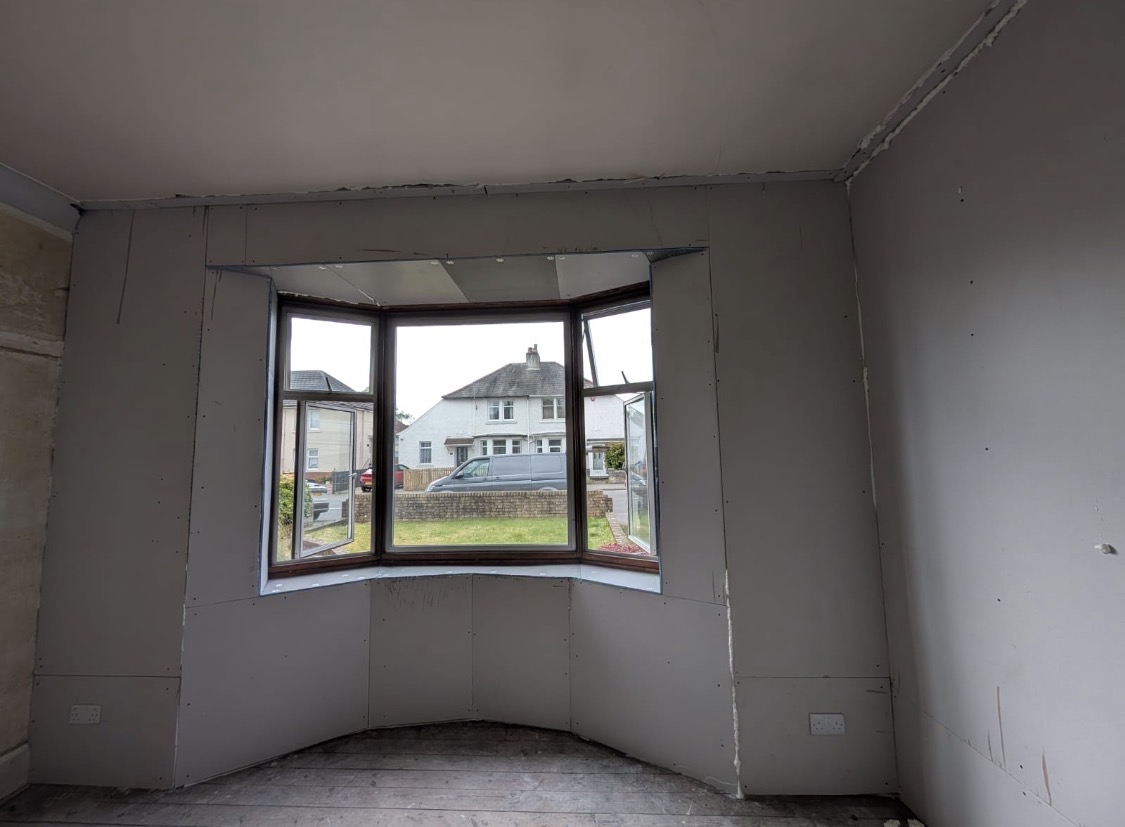
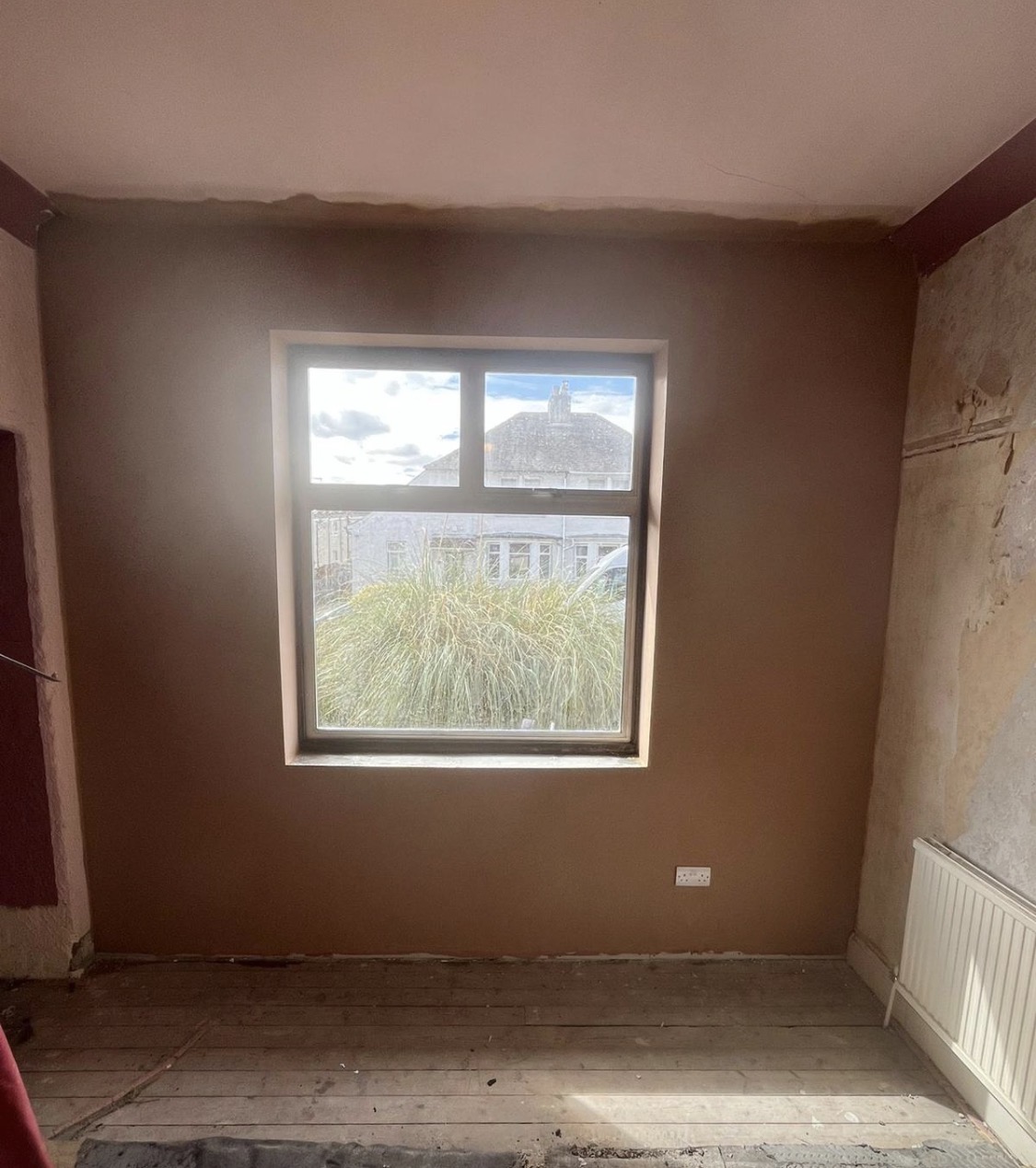
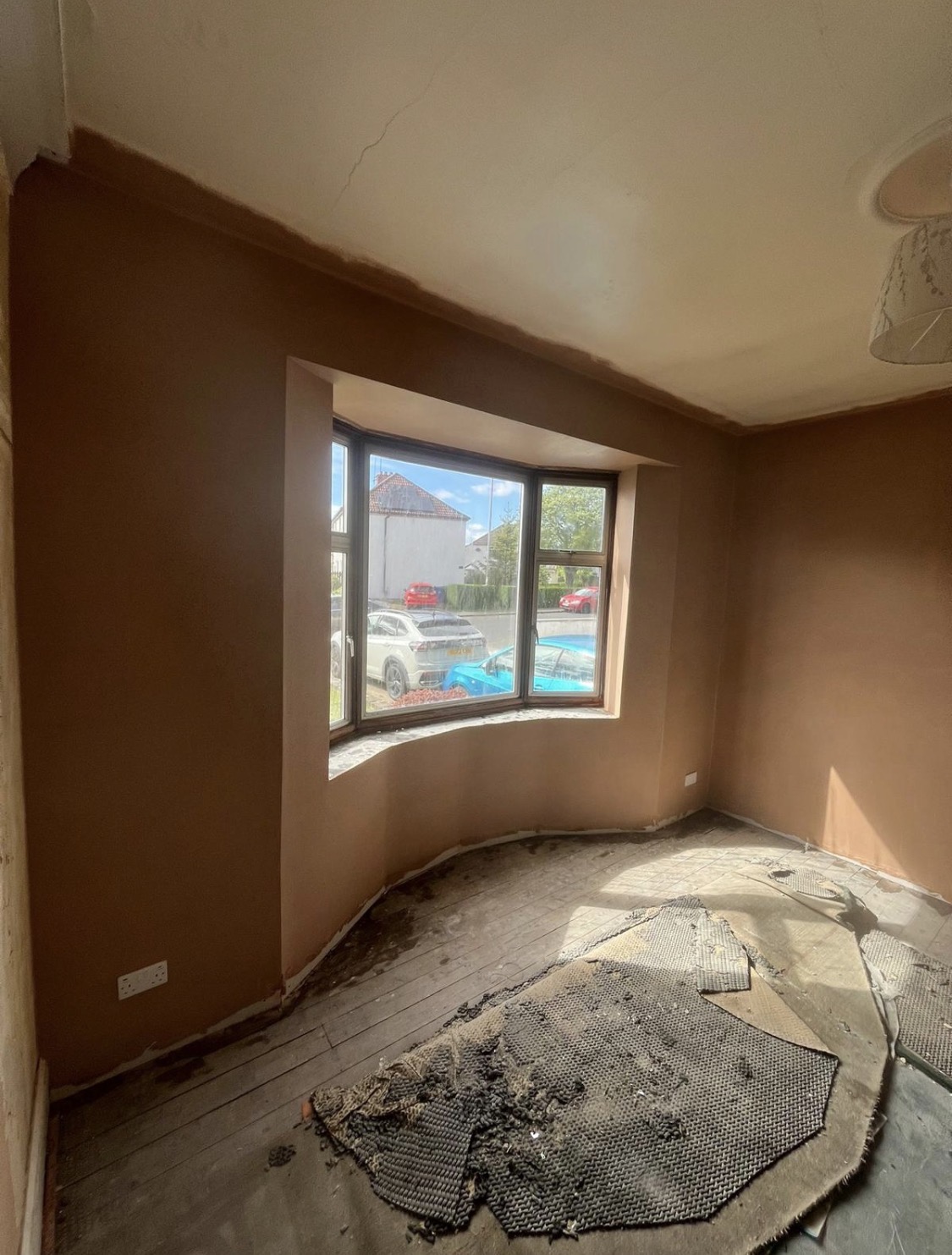
Vapour Open Heritage System
We specialise in vapour-open internal wall insulation specifically designed for high-absorption heritage sandstone buildings in Wales. Due to the elevated levels of wind-driven rain and the high absorption rate of sandstone buildings without render, it is extremely important to understand moisture movement in buildings when specifying an internal wall insulation system.
Trapping moisture inside the wall structure can be catastrophic, and installing too much insulation can also cause problems — it causes the external wall to become significantly colder, potentially creating freeze-thaw conditions for moisture entering the wall externally and leading to cracks and deterioration of the stone and lime mortar.
Below is one example of a project-specific design; however, all of our projects are assessed individually and a suitable bespoke insulation design put together.
Typical cost: £10,000 (small flats) – £50,000 (large properties). Most jobs we win average around £14,000–£25,000.
Process
- Step 01
Radiators and plug sockets are disconnected and removed.
- Step 02
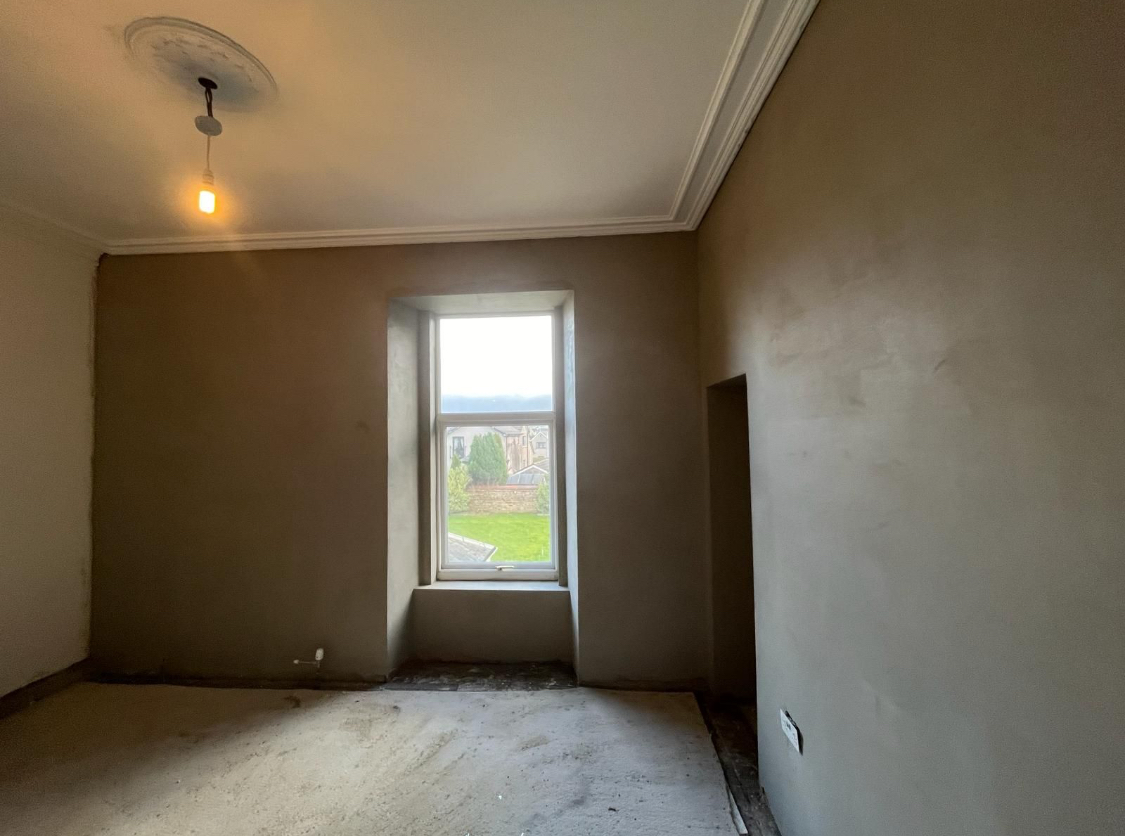
Lath and plaster walls are stripped back to stone, including any cornice or decorative wood panelling.
- Step 03
Unfortunately it is rare that the wood panelling or cornice can be saved due to the changes in wall dimensions, but it is relatively straightforward to recreate these elements.
- Step 04
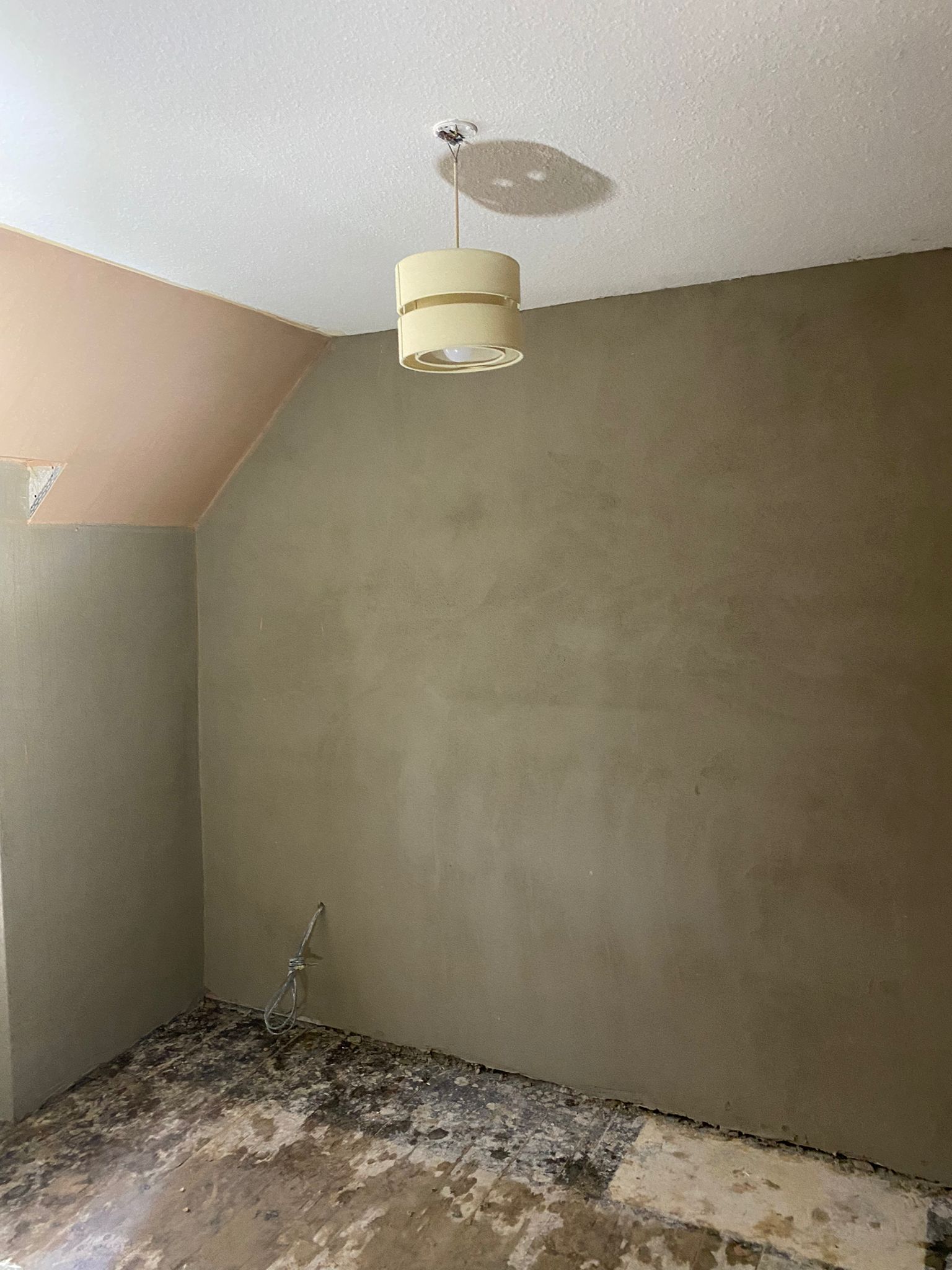
We apply a lime plaster parge coat to the wall to fill any voids and flatten out the wall surface, preventing any areas that would encourage interstitial condensation.
- Step 05
Contega Solido airtightness tape is installed around window perimeters and sealed to the wall.
- Step 06
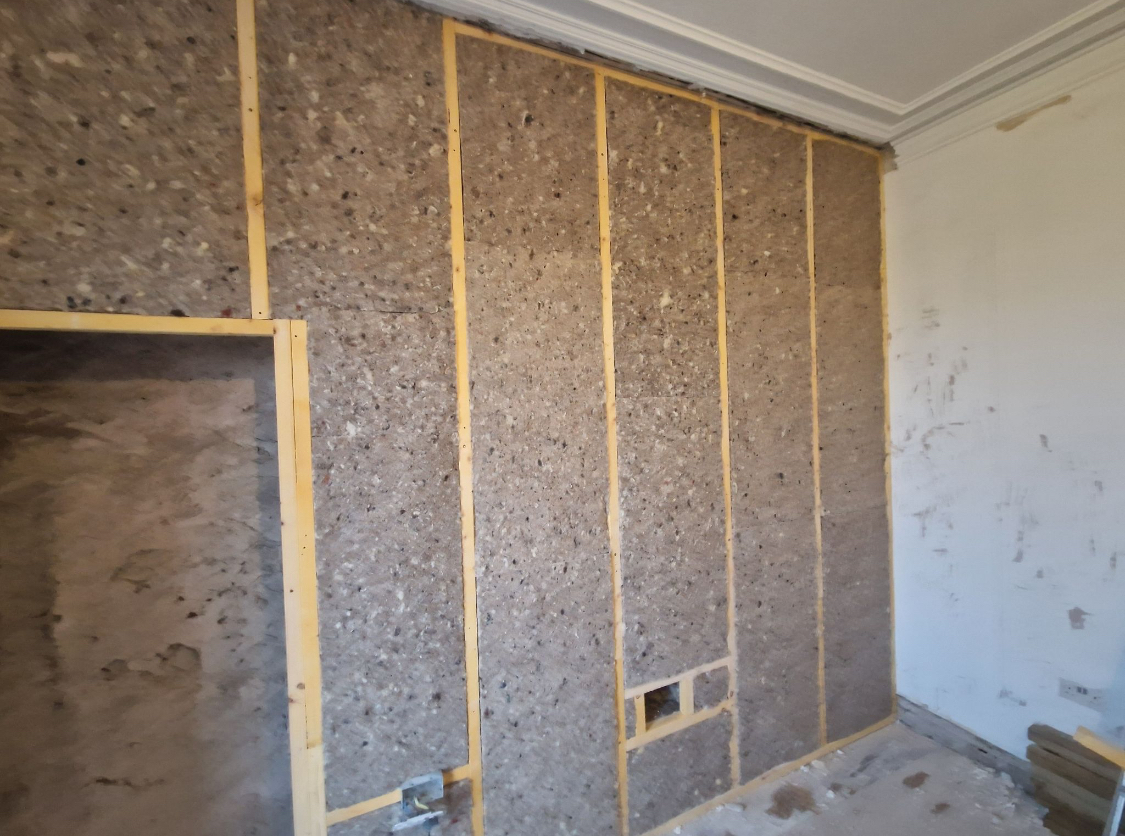
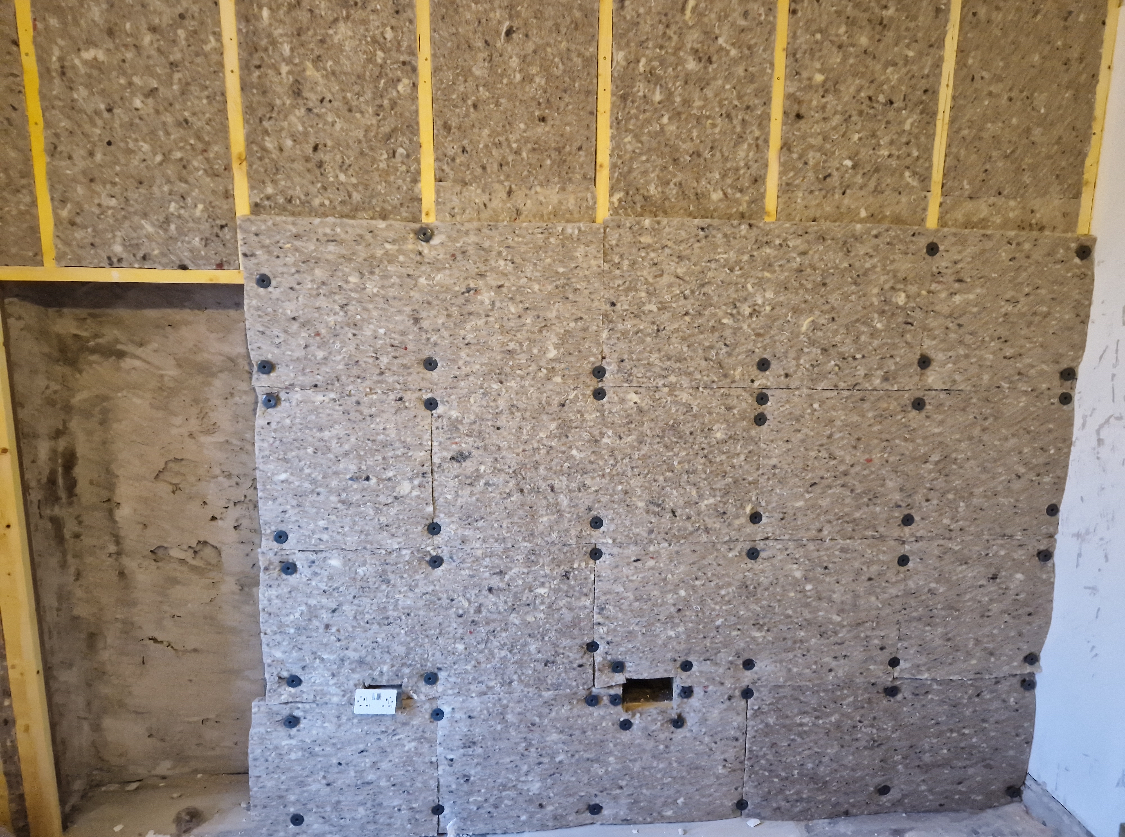
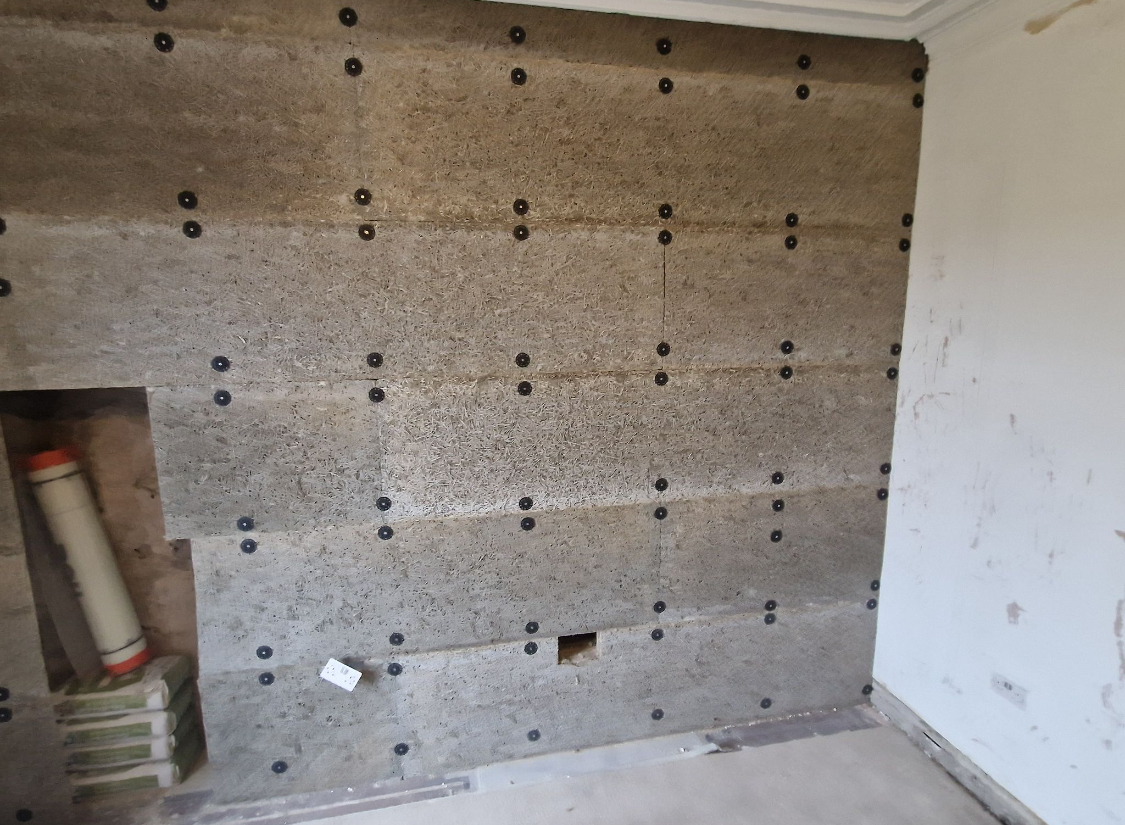
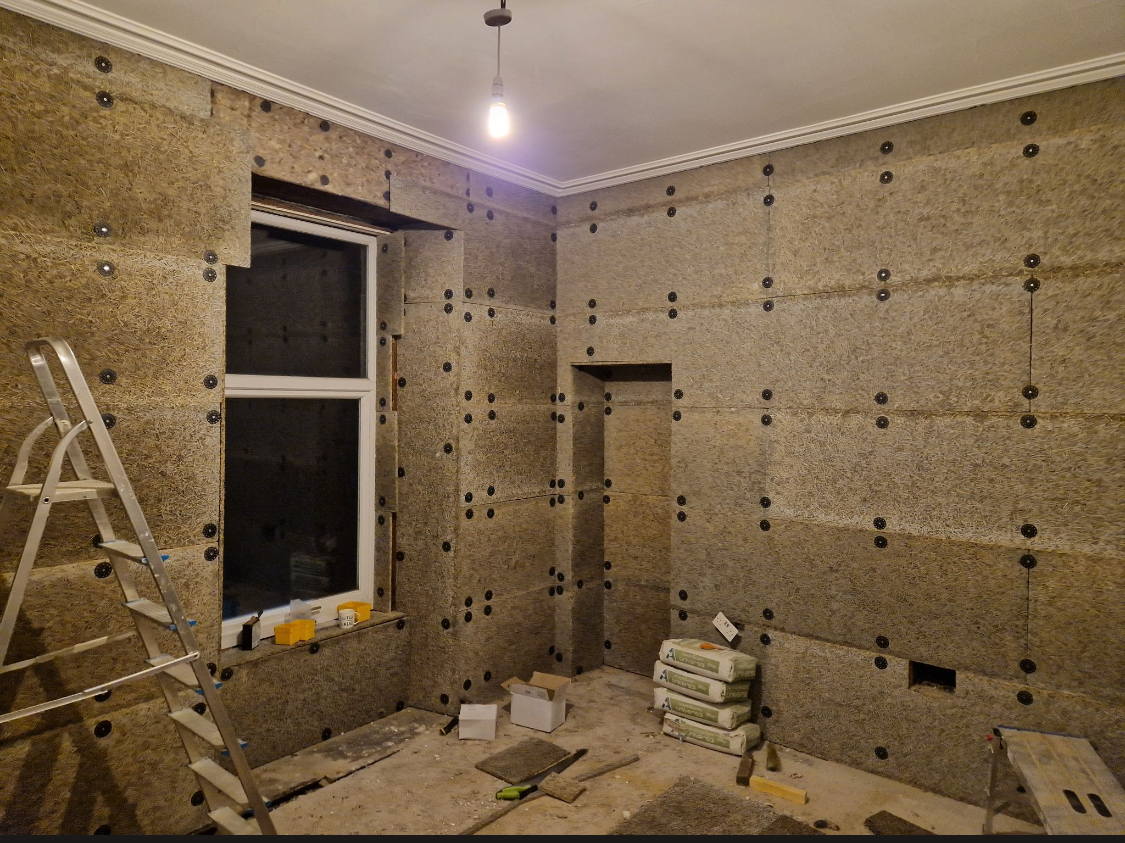
We install a dual layer of 50 mm IndiTherm Hemp Insulation compressed to 90 mm inside a 45 mm treated timber frame as the primary insulant — preventing any thermal bridging from the timber.
- Step 07
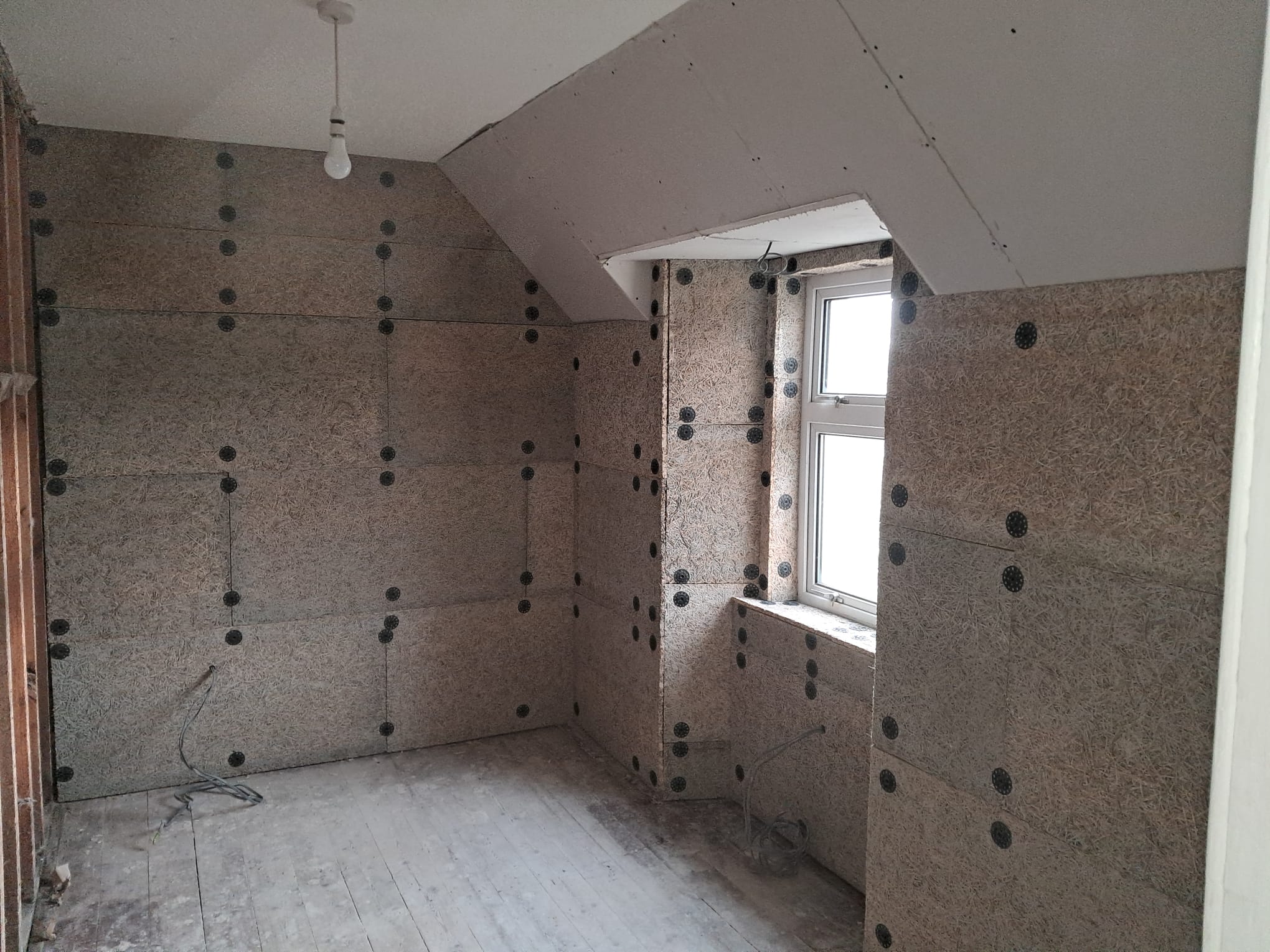
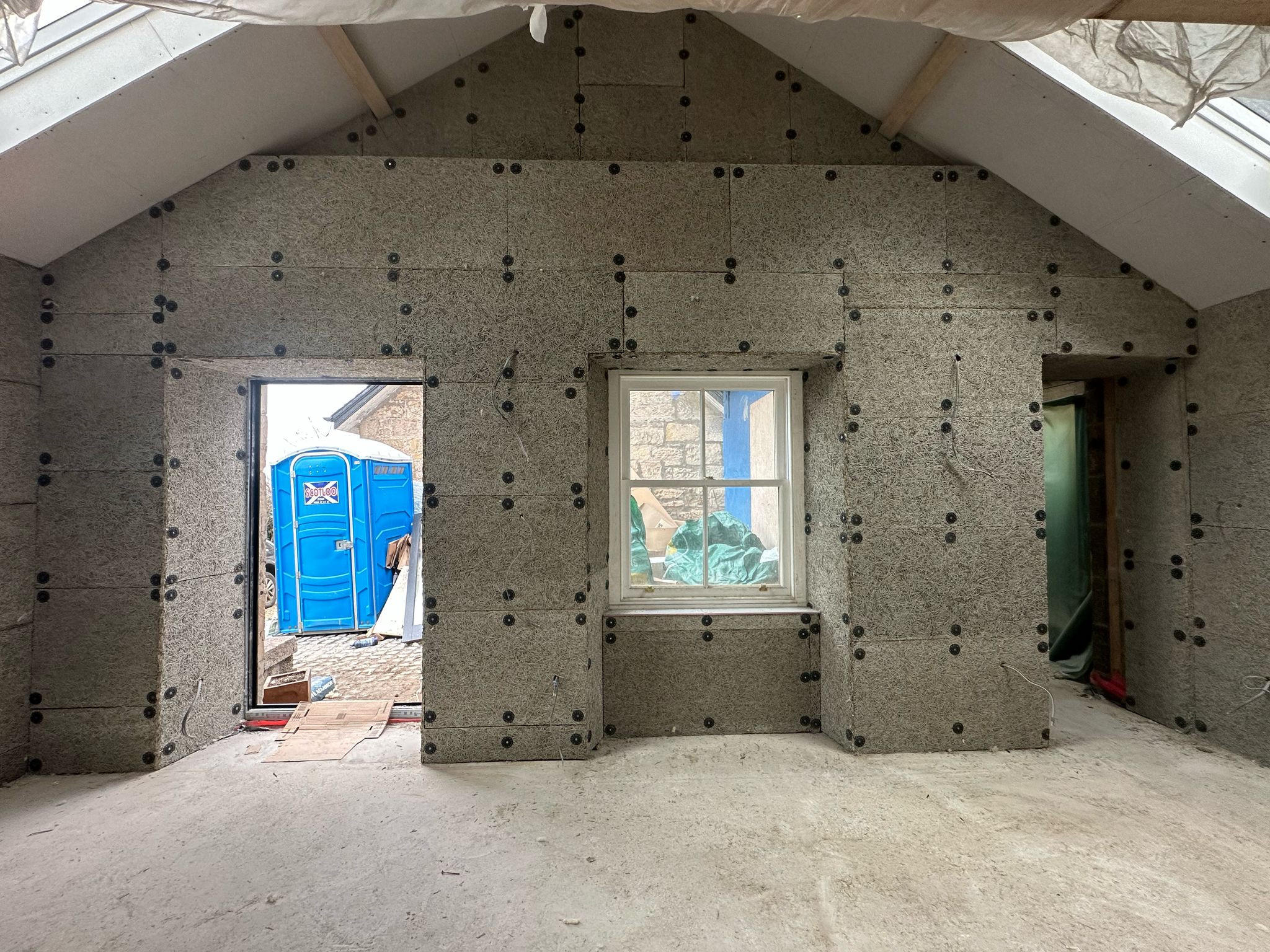
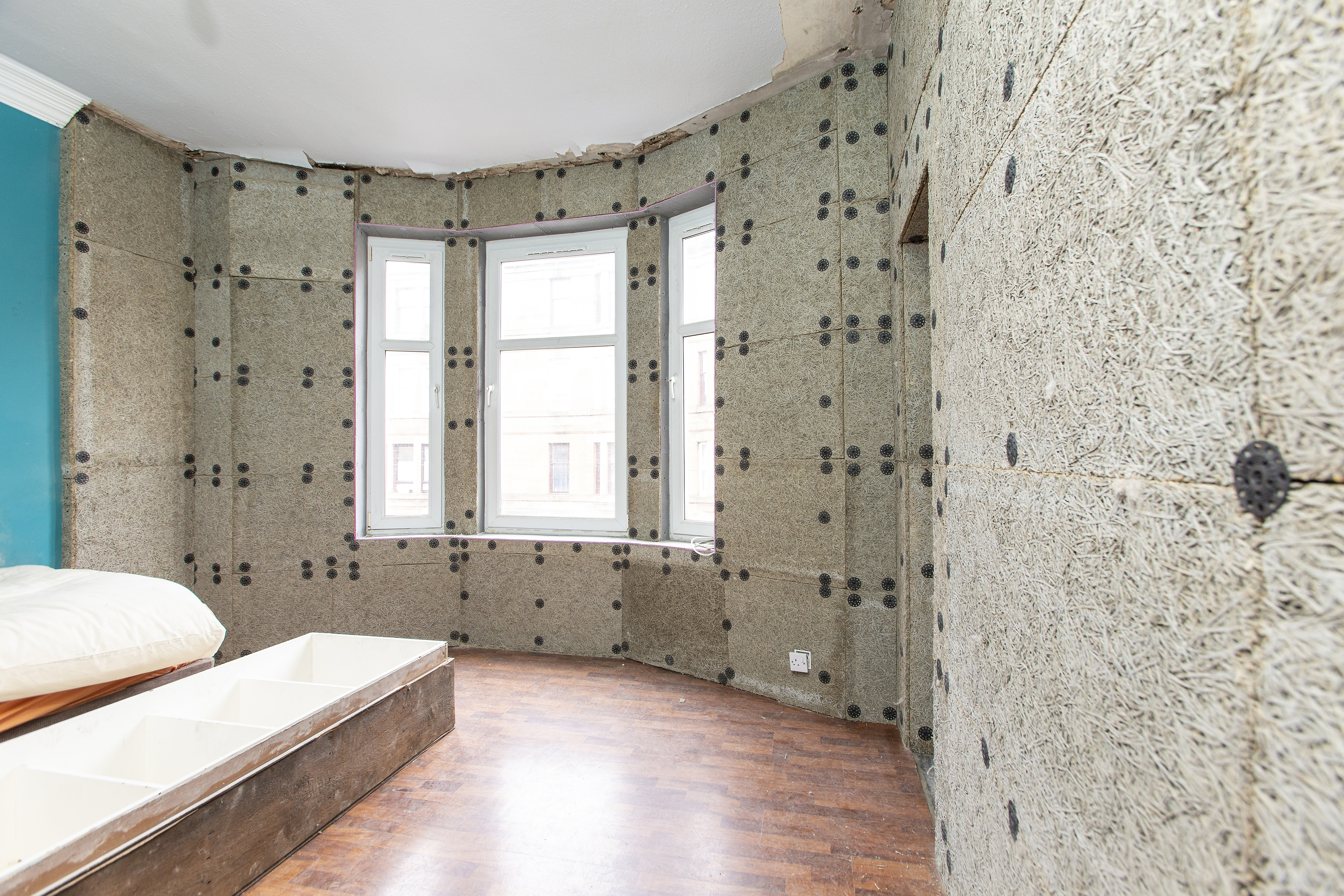
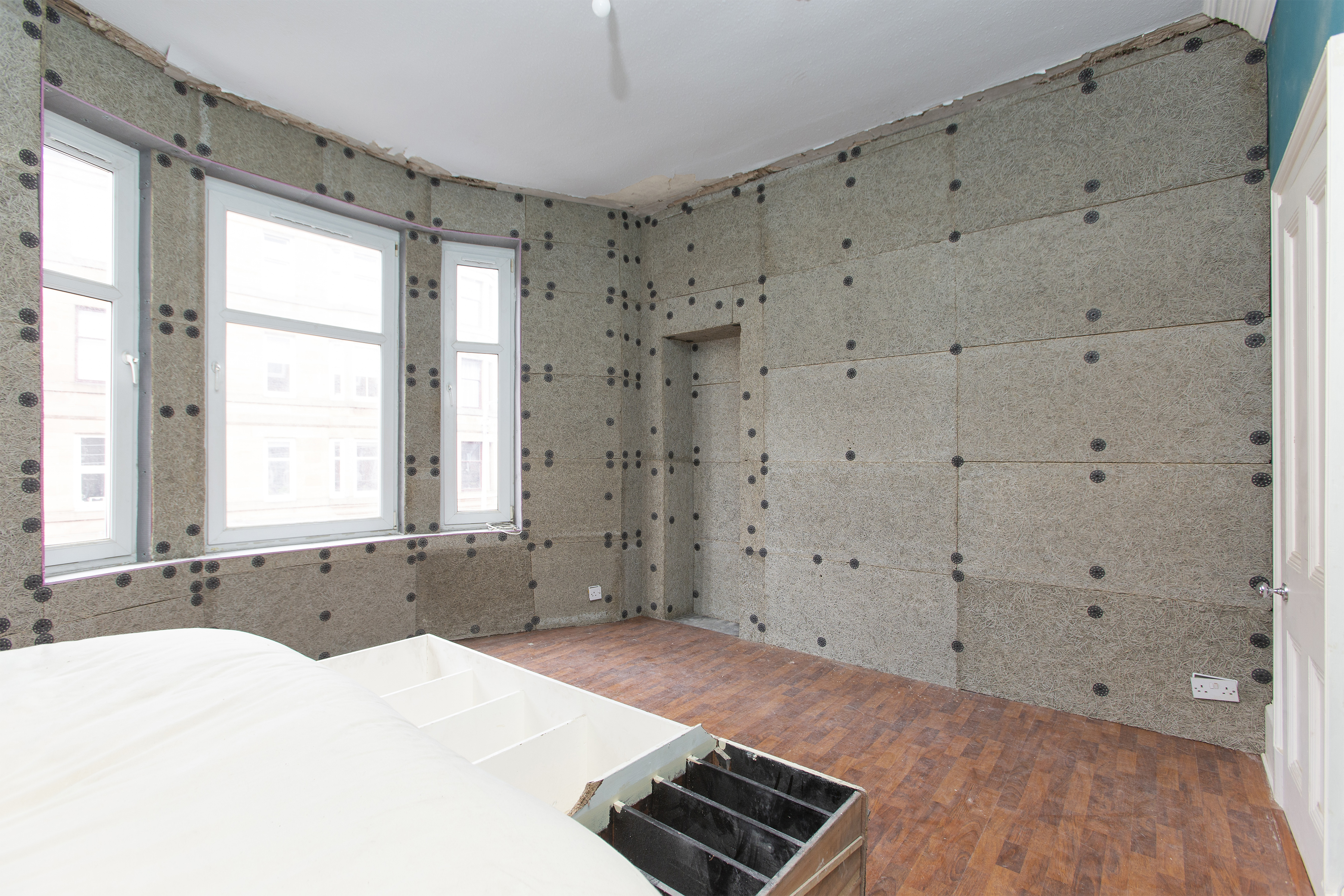
15 mm vapour-permeable wood wool boards are installed to provide a solid wall to plaster to.
- Step 08
Window reveals are usually insulated with the full system, but we also have several thinner alternative designs for reveals with more limited space.
- Step 09
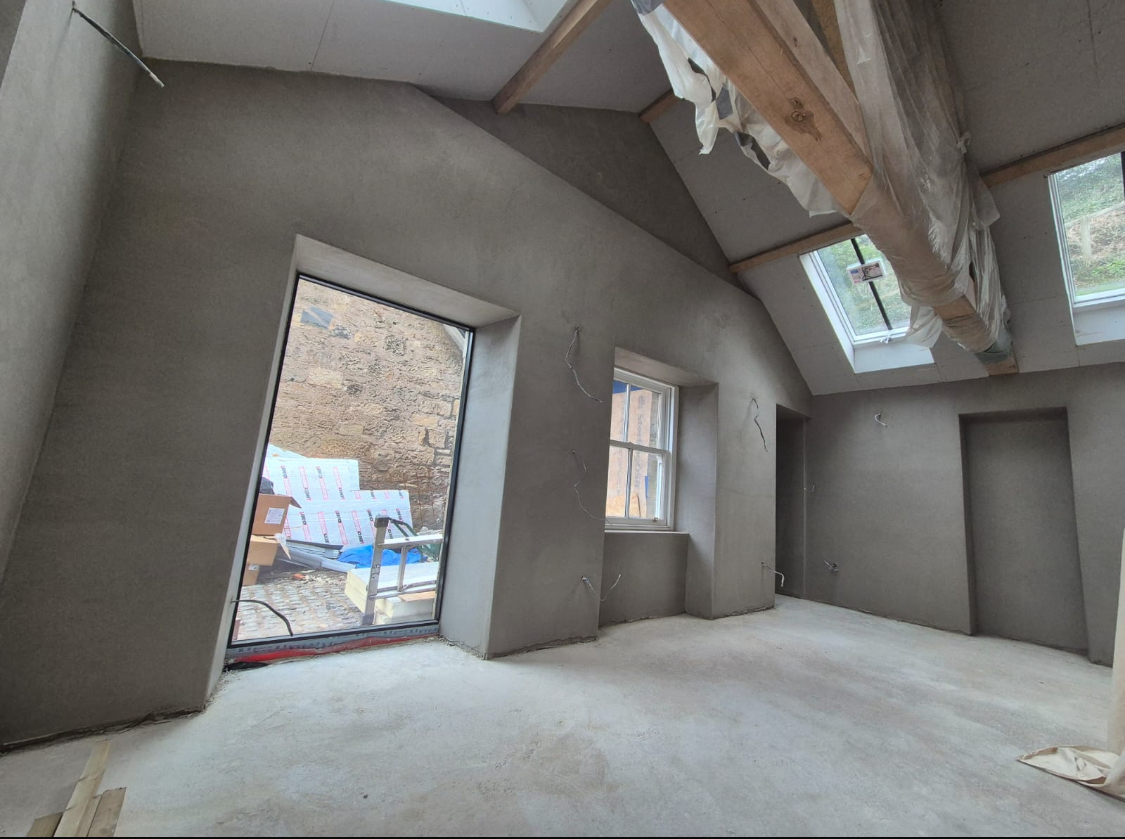
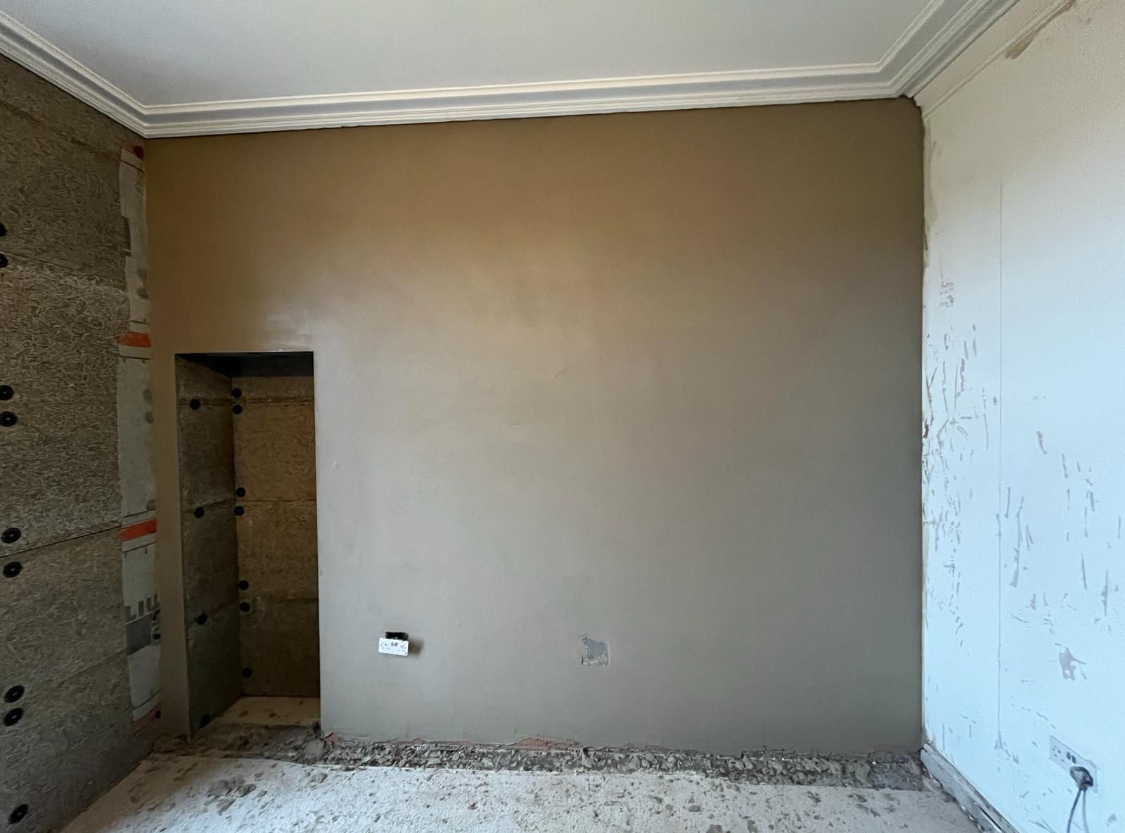
Walls are plastered with two coats of lime plaster with an embedded mesh.
- Step 10
Window sills and skirting boards can be installed once the plaster is fully dry.
- Step 11
Vapour-permeable paint or lime wash will be required to allow moisture movement — we provide guidance on what is suitable in our aftercare pack.
- Step 12
Radiators and plug sockets are reinstated after plastering or after painting, depending on client preference.
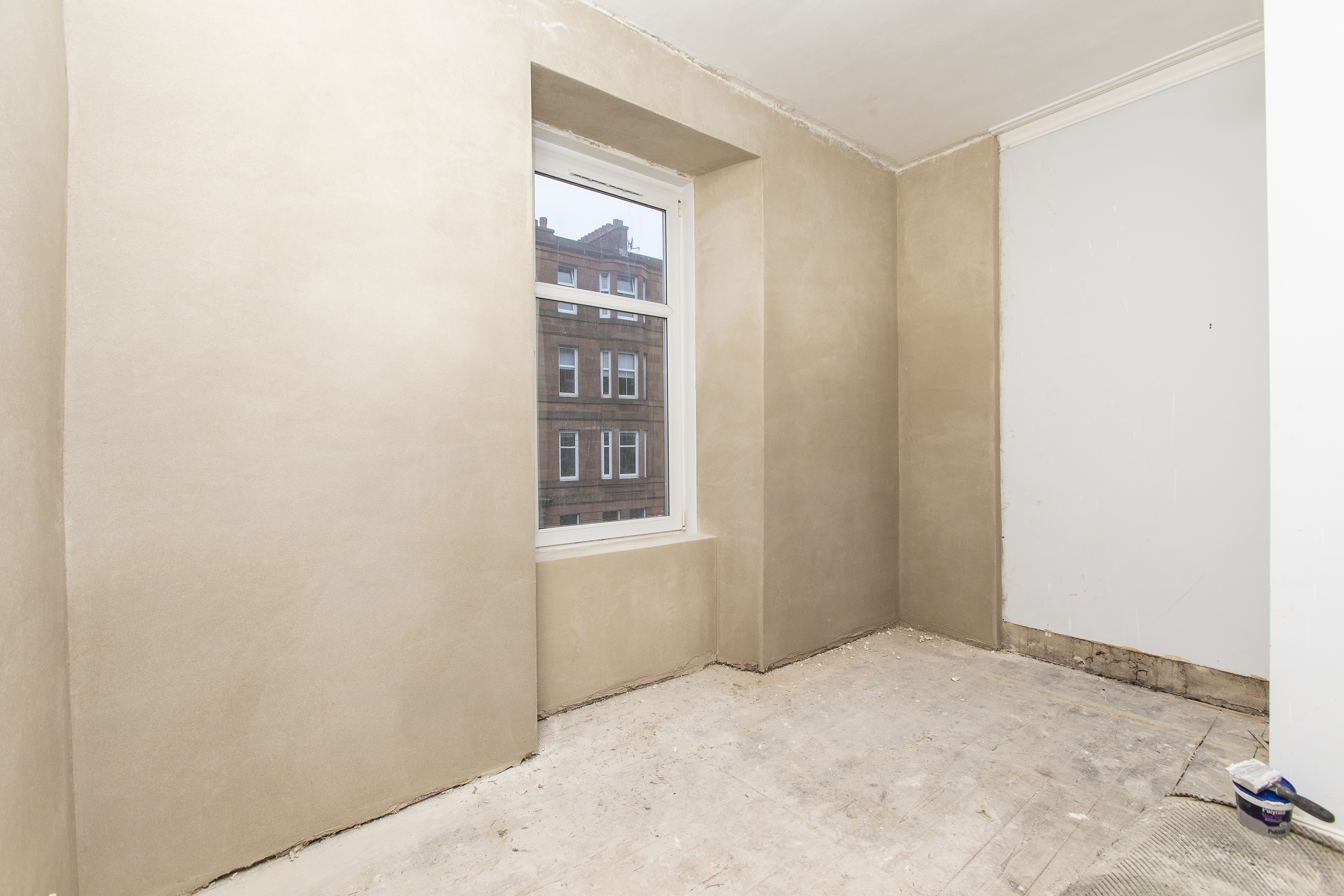
Pre-1919 Construction Heritage System
Loft Insulation
One of the most effective ways to improve a home's energy efficiency — lower bills, better comfort and decades of payback.
Cavity Wall Insulation
Fill the gap between your walls with non-absorbent EPS bead — a one-day job with decades of payback.
Cavity Wall Extraction
Clean, complete removal of failed, damp or compressed cavity insulation — preparing the wall for a modern replacement.