
Loft Insulation
One of the most effective ways to improve a home's energy efficiency — lower bills, better comfort and decades of payback.
Loft insulation is one of the most effective ways to improve a home's energy efficiency. By preventing heat from escaping through the roof, it lowers heating bills, improves comfort and reduces carbon emissions.
Depending on the property, we can install a range of insulation materials including mineral wool, fibreglass rolls, rigid insulation boards, sheep's wool and hemp. Our team assesses each loft individually to recommend the most suitable solution for maximum performance and value.
Benefits
- Prevents up to 25% of heat loss through the roof
- Saves an average of £210–£390 per year on heating bills
- Keeps your home warmer in winter and cooler in summer
- Significantly reduces moist air entering the loft space
- Quick, clean installation with minimal disruption
- Significant reduction in carbon emissions
- Long lifespan with minimal maintenance
- PAS 2030 / 2035 compliant installation
Standard Loft Insulation
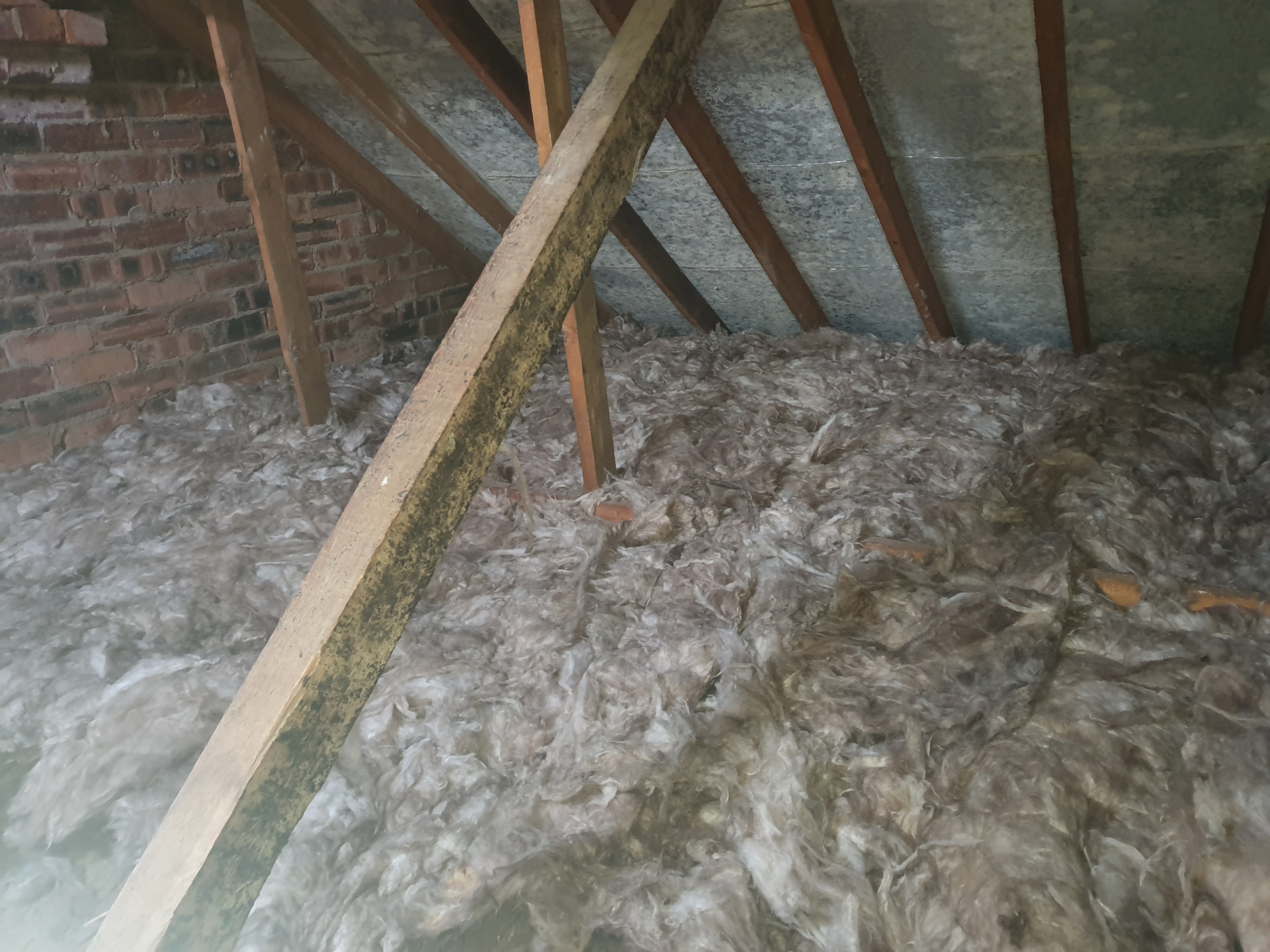
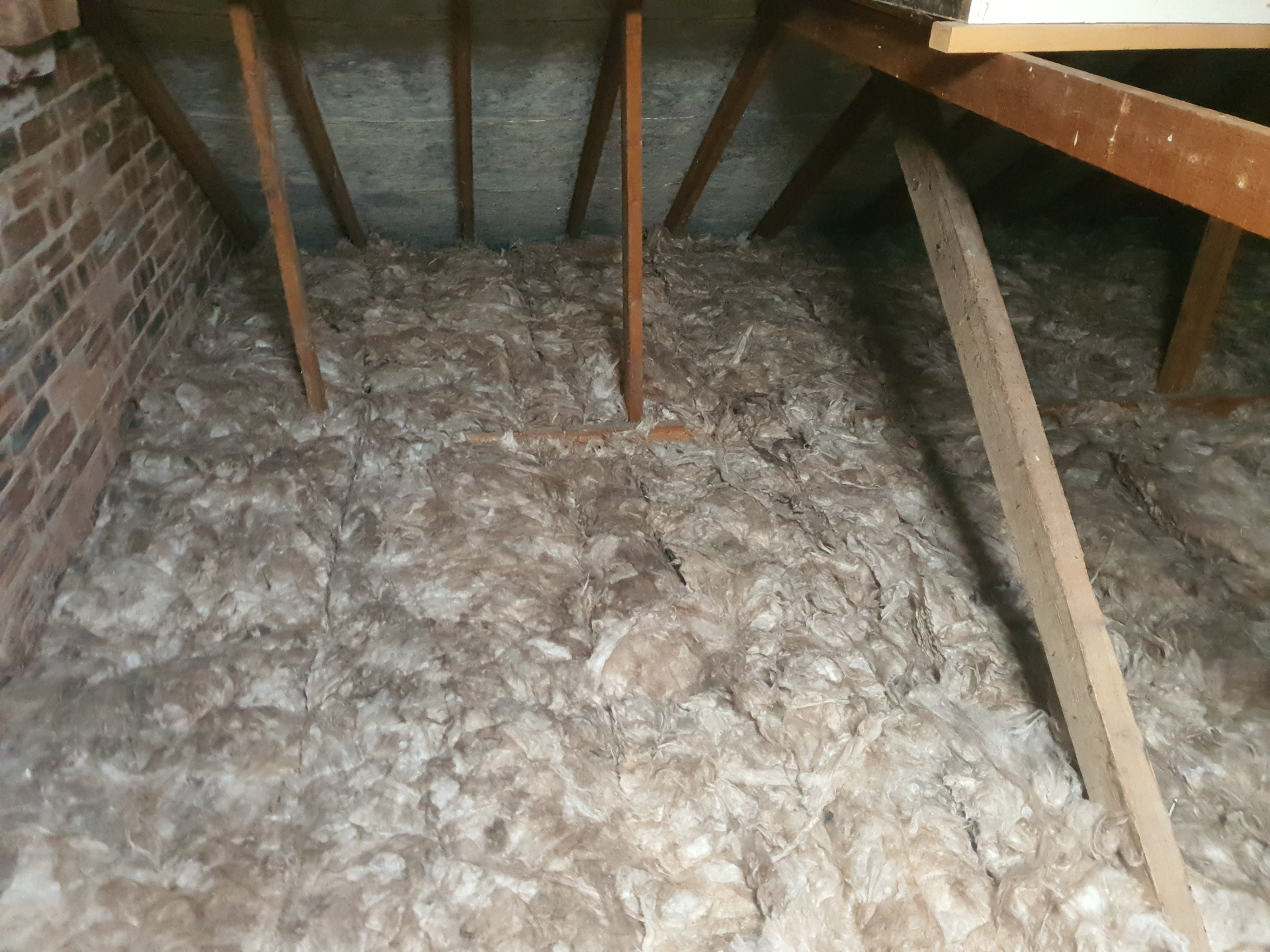
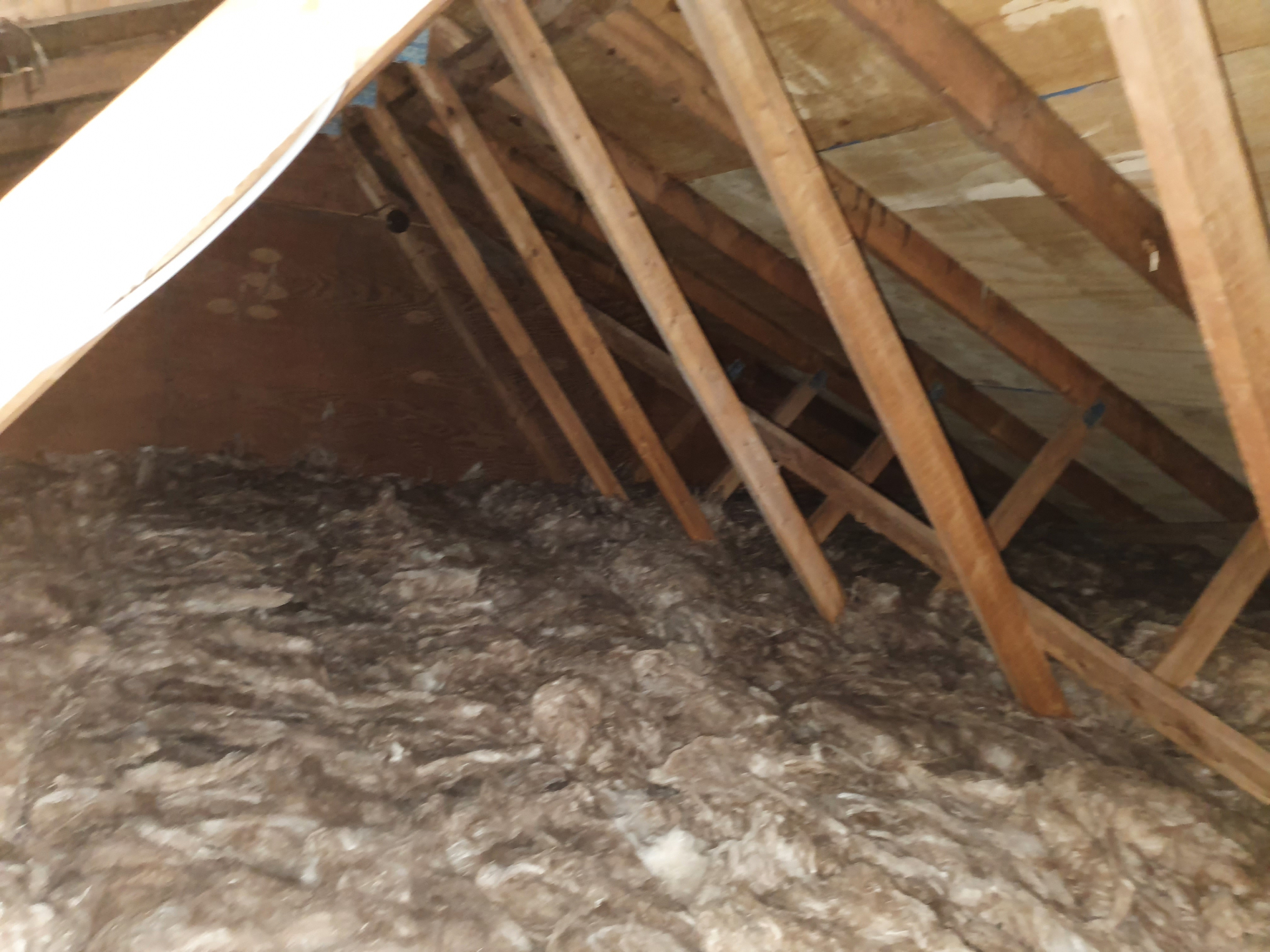
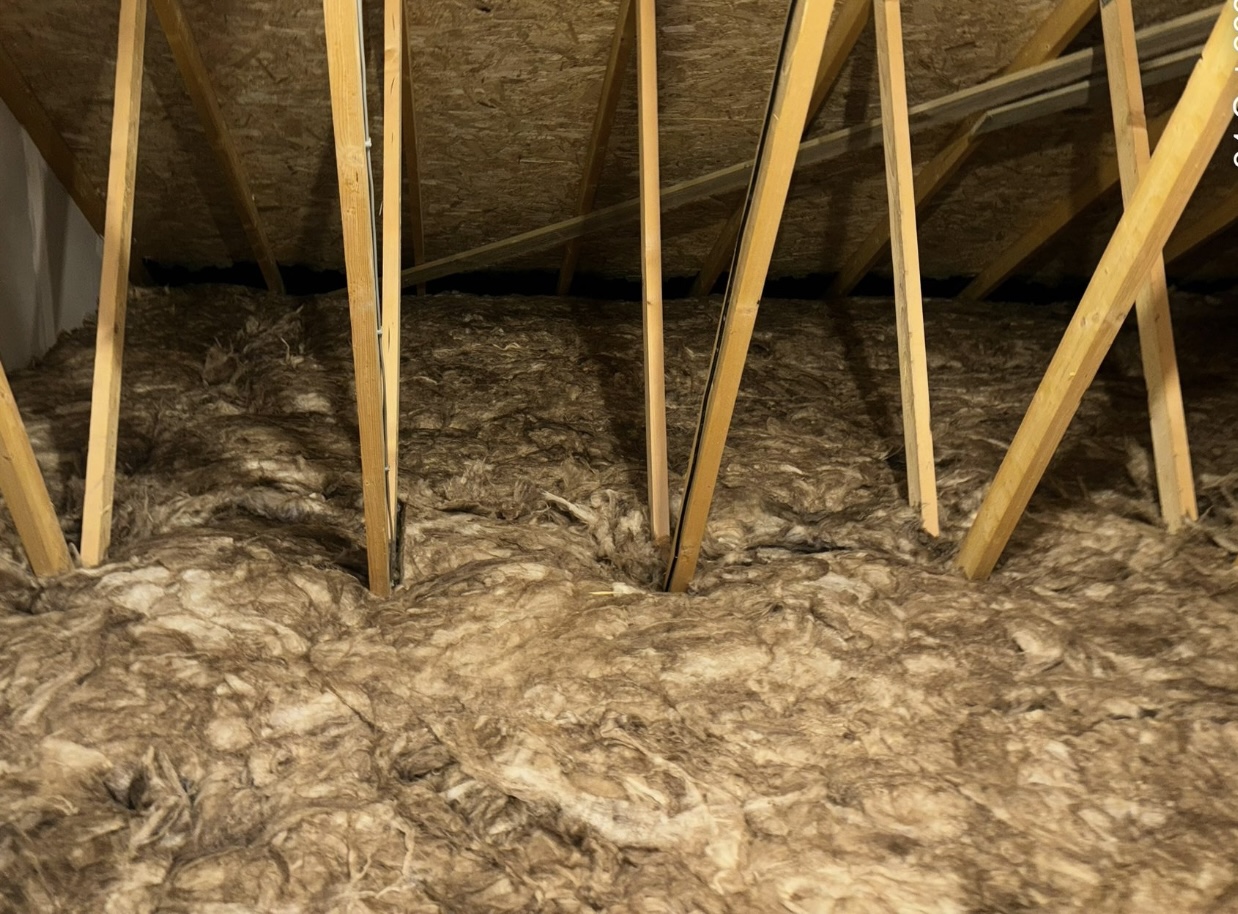
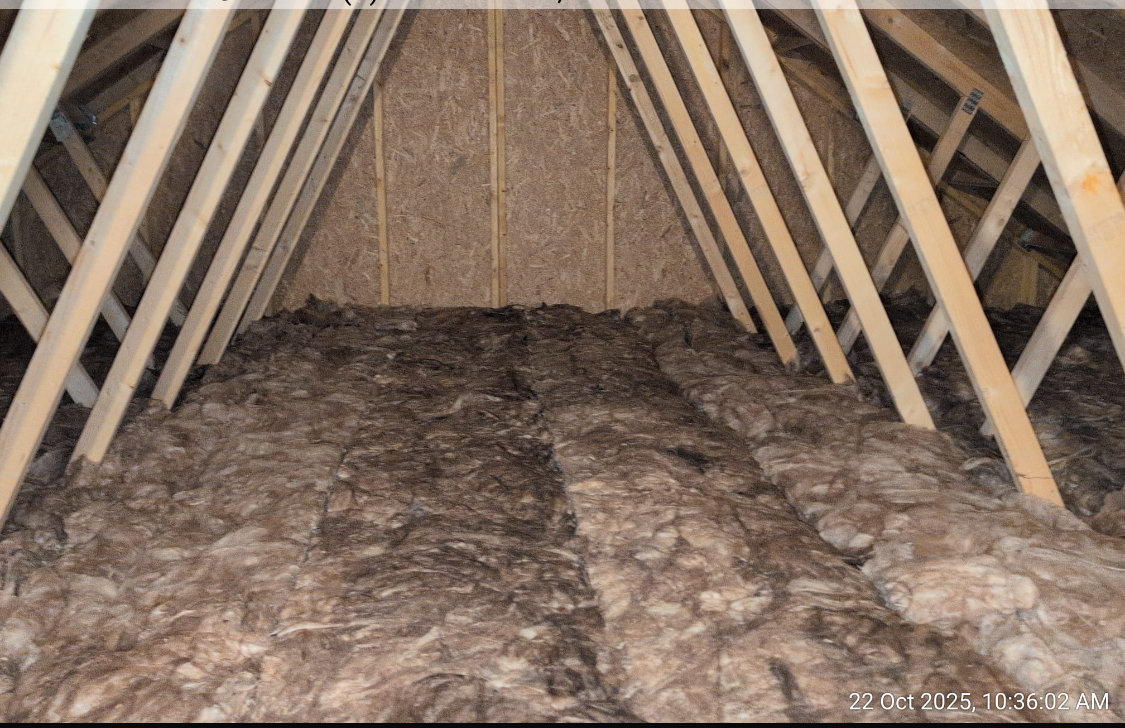
Loft insulation is the most cost-effective insulation measure thanks to the ease of installation, low material cost and high savings. We use Knauf Earthwool 44 as our standard insulant — it offers excellent thermal resistance relative to cost, and because loft depth is largely unrestricted we can hit any u-value target by simply increasing thickness at a modest cost increase.
Typical cost: £1,000–£2,000
Process
- Step 01
Install the first layer of insulation between the joists — typically 150 mm of non-allergenic Knauf Earthwool 44 Loft Roll, which has a great cost-to-performance ratio.
- Step 02
Install a secondary layer perpendicular to the joists to take the total thickness up to 300 mm, insulating the joist ends themselves to eliminate thermal bridging through the timbers.
- Step 03
Insulate and draught-proof the loft hatch — generally the weak link for heat loss and a route for warm, moist air to enter the loft if untreated.
- Step 04
Insulate any water tanks and central heating pipework present in the loft space.
- Step 05
Check soffit-level vents are kept clear to maintain healthy airflow through the loft.
- Step 06
If ventilation is inadequate, install soffit ventilation or advise on additional roof tile vents and recommend a local roofer to quote.
- Step 07
Where required, lift existing loft flooring, raise it to accommodate the additional insulation depth and reinstate the boards (or fit new) to retain your storage space.
Standard Loft Insulation
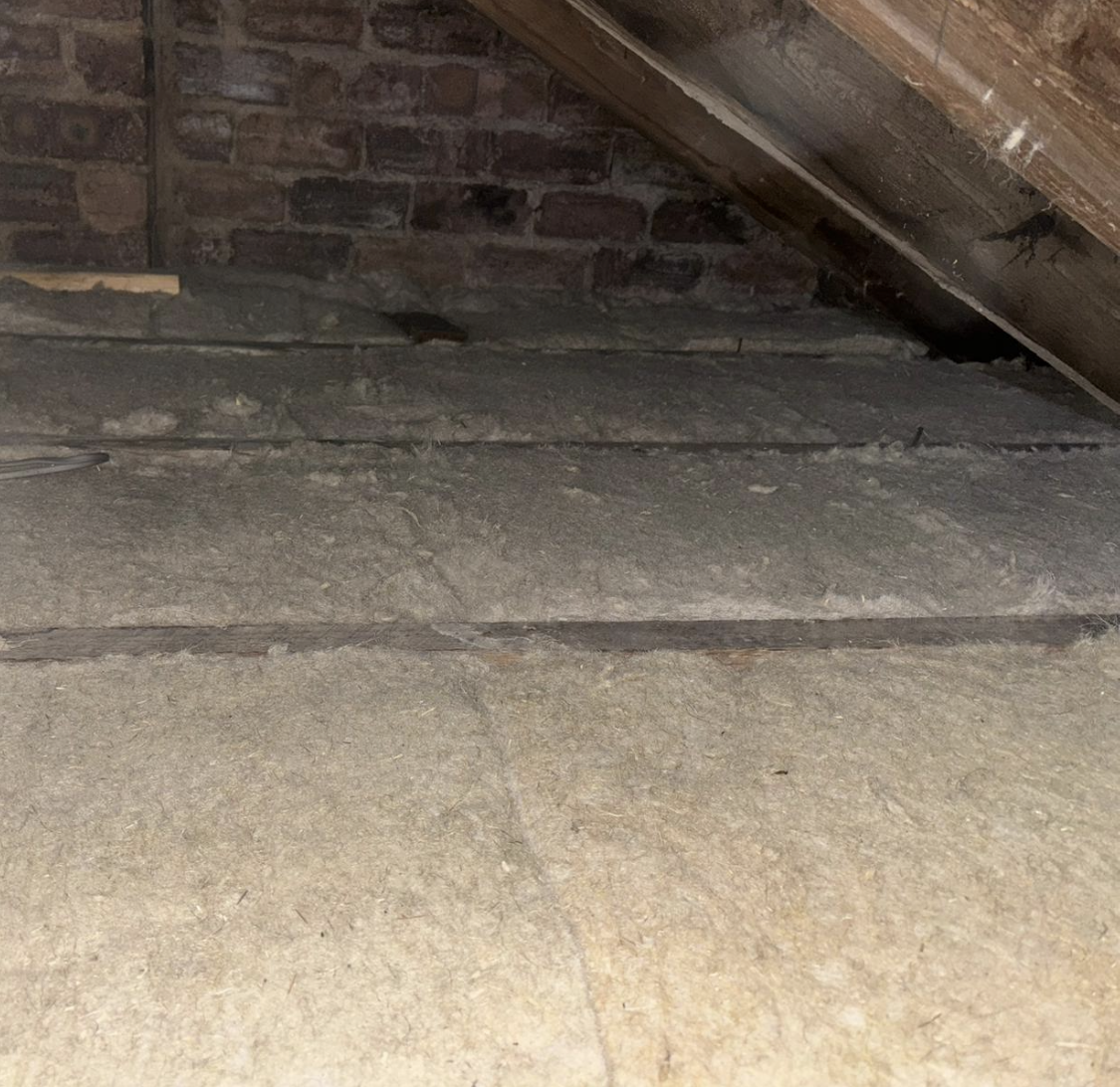
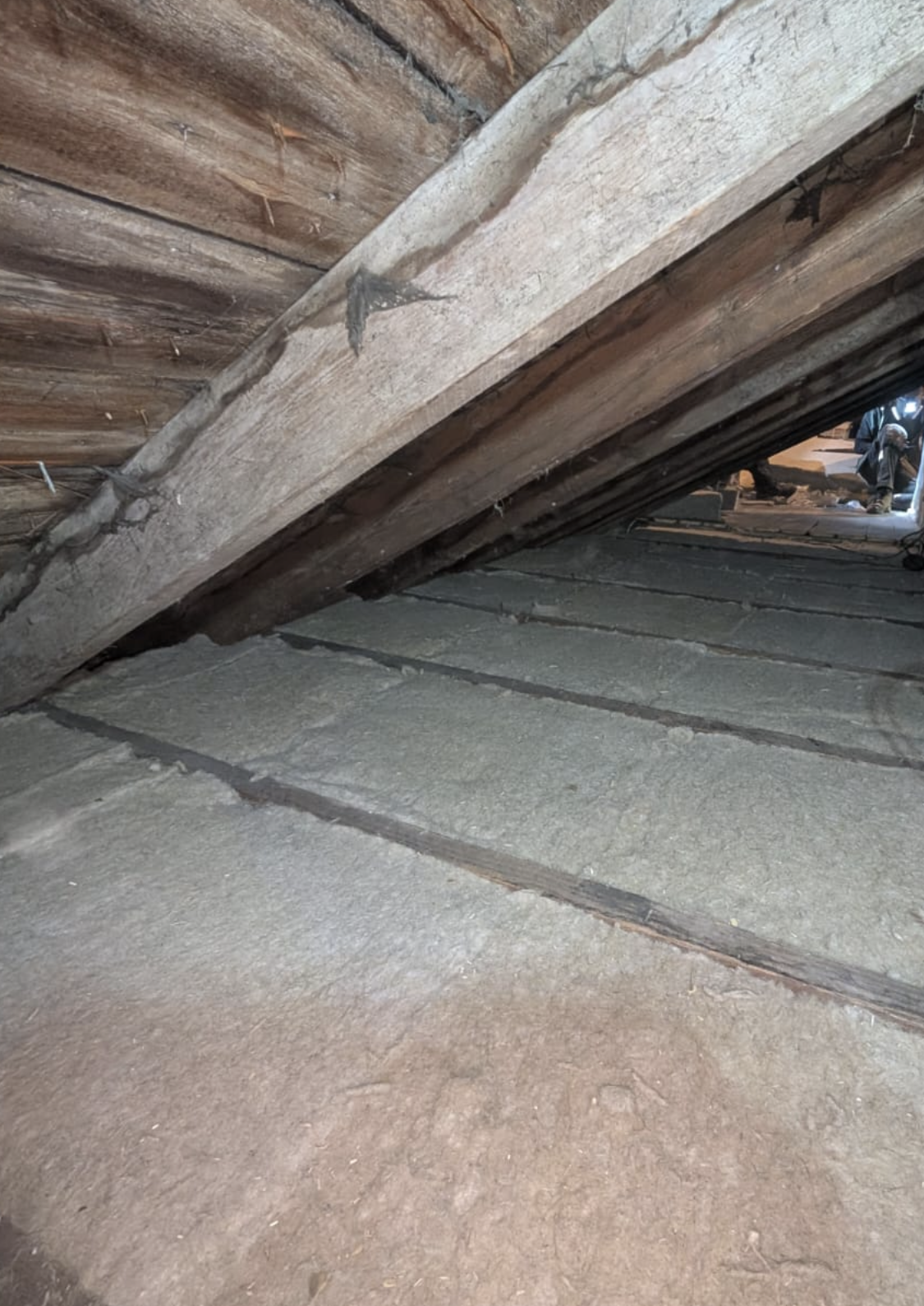
Hemp Insulation (Natural)
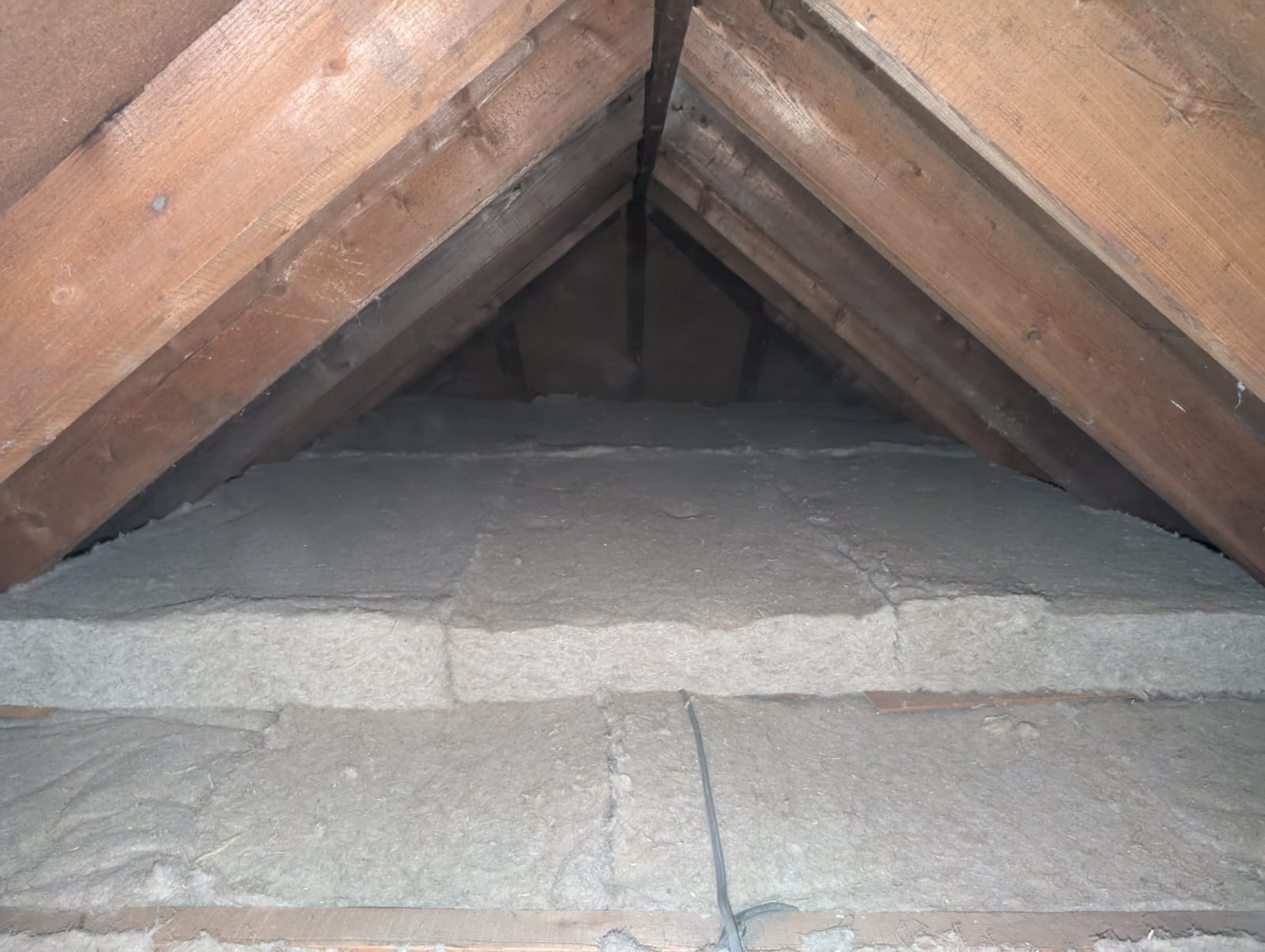
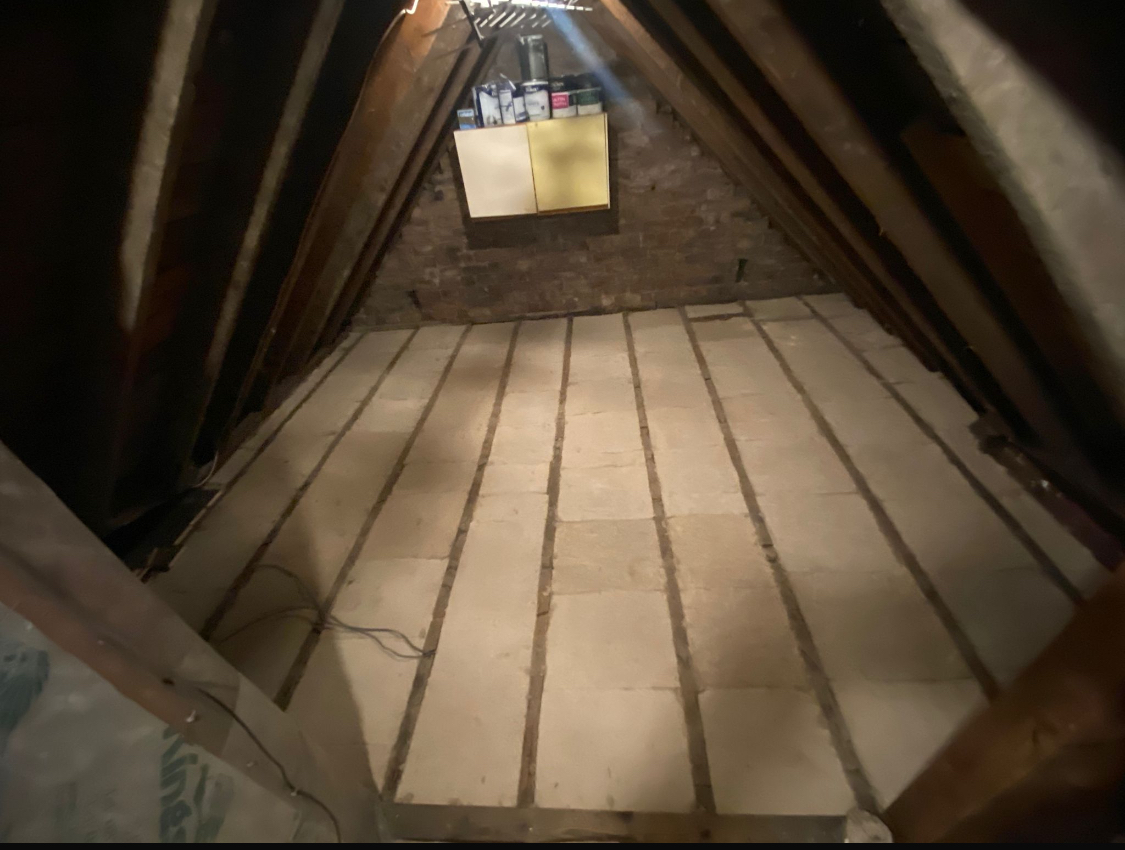
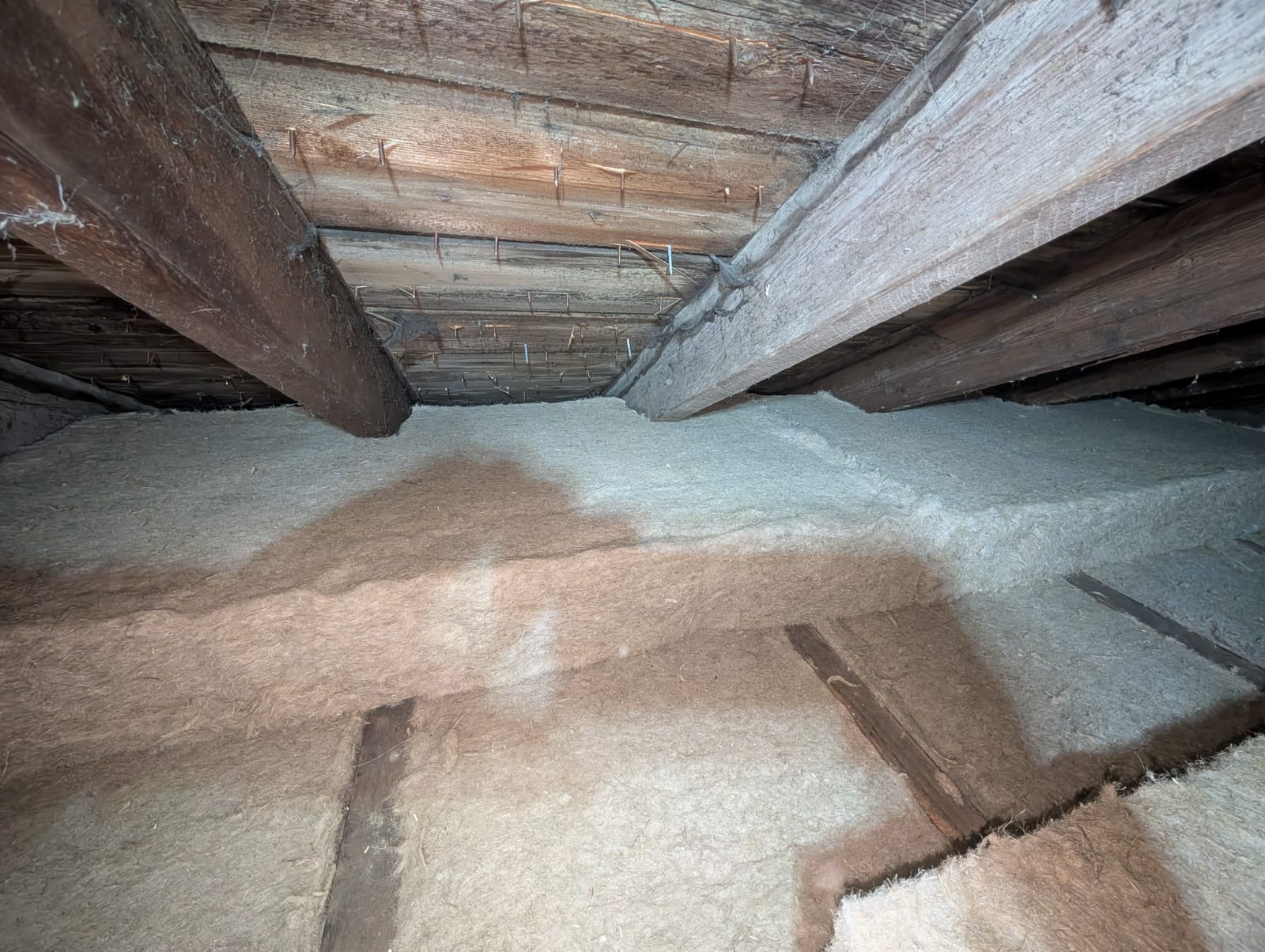
Our natural insulation systems are installed primarily with Indinature IndiTherm Hemp Insulation, with Sisalwool and Woodfibre also available. These products offer greater thermal mass than standard Earthwool, better thermal performance and exceptional moisture buffering thanks to their high vapour permeability. They are extremely eco-friendly — IndiTherm has the lowest embodied carbon of any insulation material on the market.
Typical cost: £2,000–£3,500
Process
- Step 01
If there is existing old insulation or debris in the loft, we begin by removing and disposing of it.
- Step 02
Install the first layer of IndiTherm insulation between the joists — typically 150 mm, cut to size to provide a firm friction fit.
- Step 03
Install a secondary layer perpendicular to the joists to take the total thickness to around 280 mm, insulating the joist ends to eliminate thermal bridging through the timbers.
- Step 04
Insulate and draught-proof the loft hatch to stop heat loss and prevent warm, moist air entering the loft.
- Step 05
Insulate any water tanks and central heating pipework present in the loft space.
- Step 06
Check soffit-level vents are kept clear to maintain healthy airflow through the loft.
- Step 07
If ventilation is inadequate, install soffit ventilation or advise on additional roof tile vents and recommend a local roofer to quote.
- Step 08
Where required, lift existing loft flooring, raise it to accommodate the additional insulation depth and reinstate the boards (or fit new) to retain your storage space.
Hemp Insulation
Internal Wall Insulation
Bespoke vapour-closed and heritage vapour-open systems for solid-wall Welsh homes — without changing the outside of the building.
Cavity Wall Insulation
Fill the gap between your walls with non-absorbent EPS bead — a one-day job with decades of payback.
Cavity Wall Extraction
Clean, complete removal of failed, damp or compressed cavity insulation — preparing the wall for a modern replacement.